This Enchanting Pennsylvania Mill Restaurant Is Hidden Inside a Nearly 200-Year-Old Building
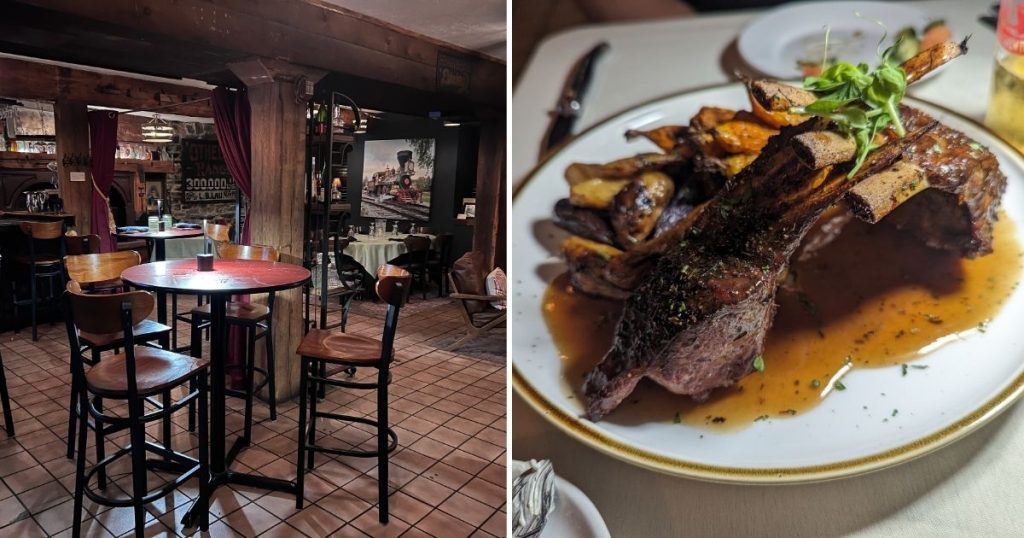
I’ve always had a soft spot for restaurants that feel like they were never meant to be restaurants at all — places that were something else entirely first, and became something better.
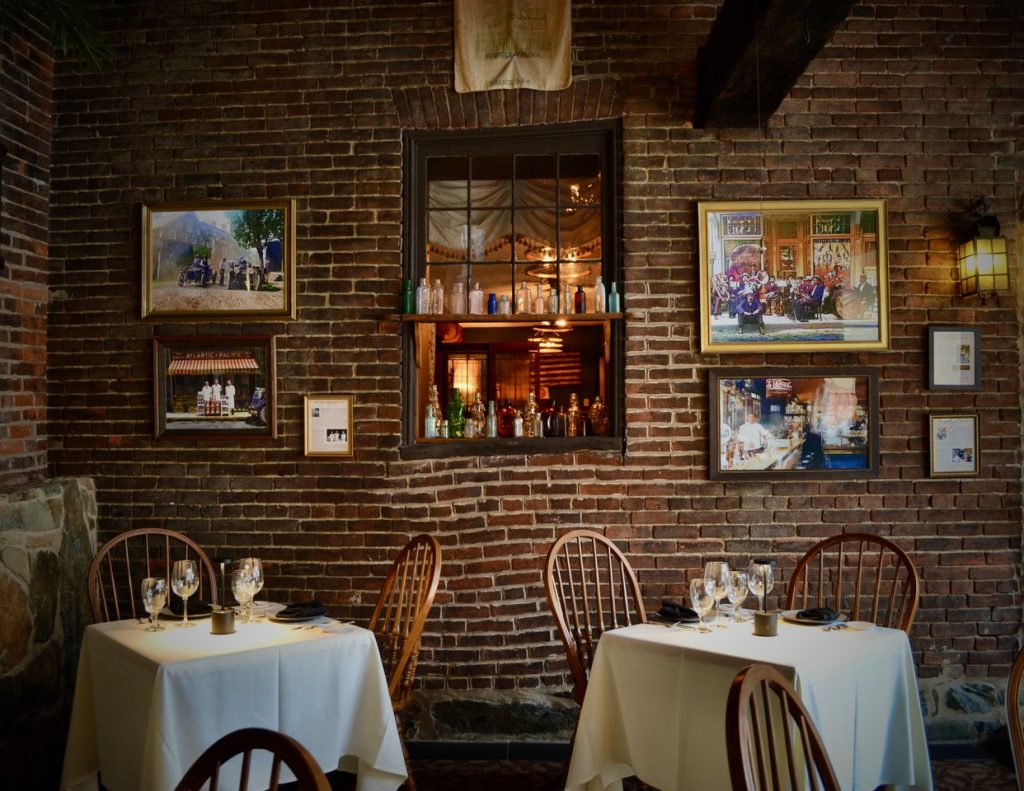
The first time someone described Table 1837 to me, they stumbled over the words. “It’s in a mill,” they said, “but it’s also kind of a hotel… and there’s a spring inside? And a pianist?” They trailed off the way people do when a place resists easy explanation.
That’s usually when I know I have to go.
Tucked into the small borough of Glen Rock in York County, Pennsylvania, the Glen Rock Mill Inn and its restaurant, Table 1837, occupies the oldest building in town. And once you step inside, it’s hard to believe this corner of Pennsylvania has been hiding something this extraordinary.
The Building Has Been Standing Since Before Your Great-Great-Grandparents Were Born
Before there was a restaurant — before there was even a town — there was a sawmill.
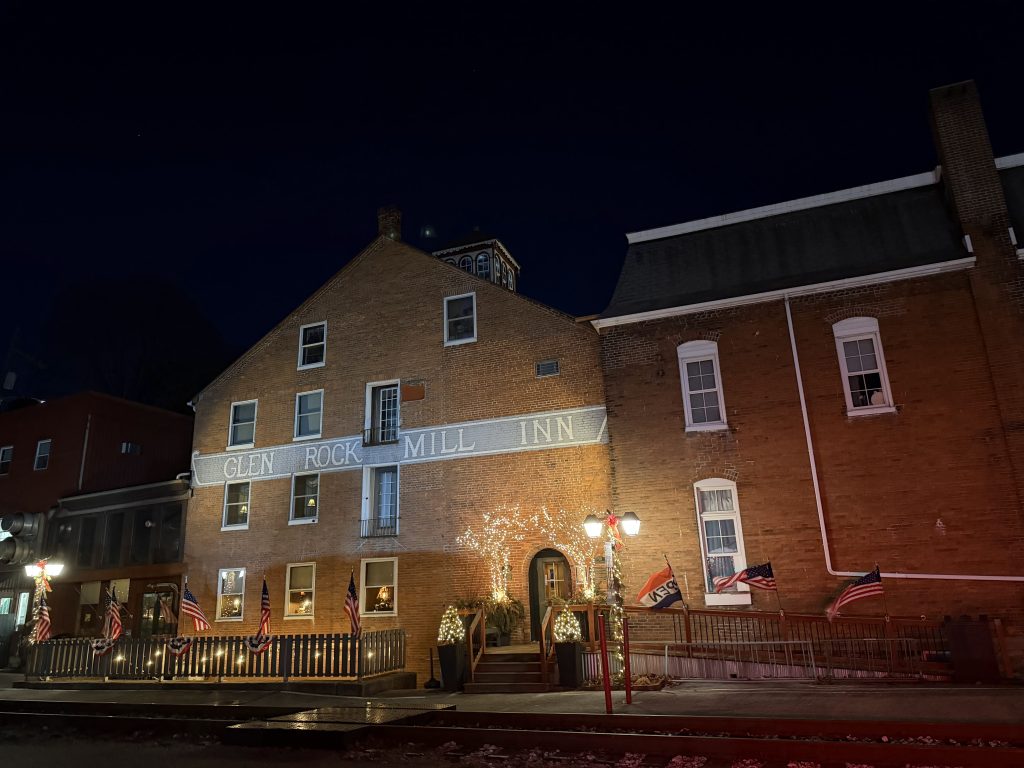
In 1832, a man named Simon Koller built a water-powered sawmill on the banks of a creek in what would become Glen Rock. The spillway to the mill race created a 15-foot waterfall whose roar, by all accounts, could be heard all over the glen. That sound echoed through the valley for over a century, until a flood in 1933 finally silenced it.
Five years after Koller built his sawmill, a man named William Heathcote arrived and changed everything.
Heathcote was a native of Cheshire, England, who had spent ten years operating woolen mills in Chester County, Pennsylvania. In 1837, he purchased Koller’s property, married Simon Koller’s daughter, and began construction of a new brick woolen mill on the foundation of the old sawmill. He installed a ten-foot water wheel. He began manufacturing woolens. And in doing so, he accidentally founded the town of Glen Rock — selling off lots from the surrounding farm until a small hamlet grew up around the mill.
The building he constructed that year is the one you walk into today.
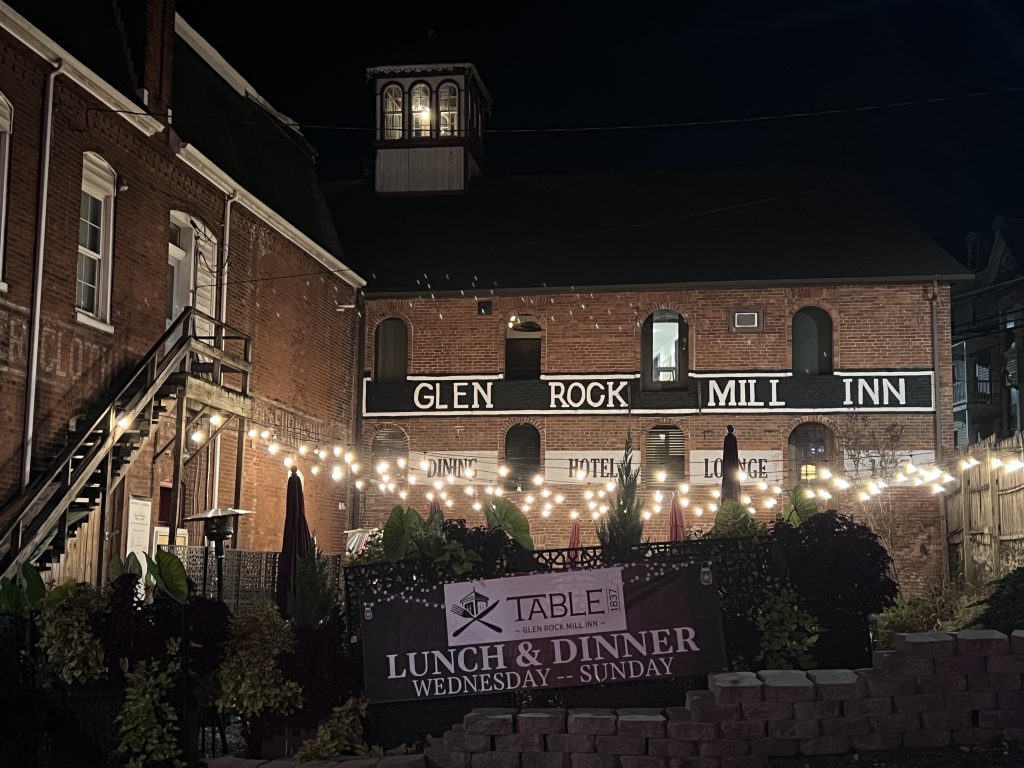
That’s not a figure of speech. The brick walls, the hand-hewn beams, the stone foundation — much of what Heathcote built in 1837 still stands. The mill passed through many hands over the decades, transitioning from woolens to grist milling to livestock feed production under various owners, until it finally went quiet and stood shuttered, its roof sagging nearly to the point of collapse.
Then, in 1984, a couple named Cecil and Mary Ann Artrip purchased the derelict building for $7,500 and began a million-dollar restoration that would span more than two years. They were captivated by the history and made sure the renovation honored it. The result is a restaurant and inn where the past is not merely decoration — it’s architecture.
What You’ll Notice the Moment You Walk In
The first thing people tend to mention is the beams.
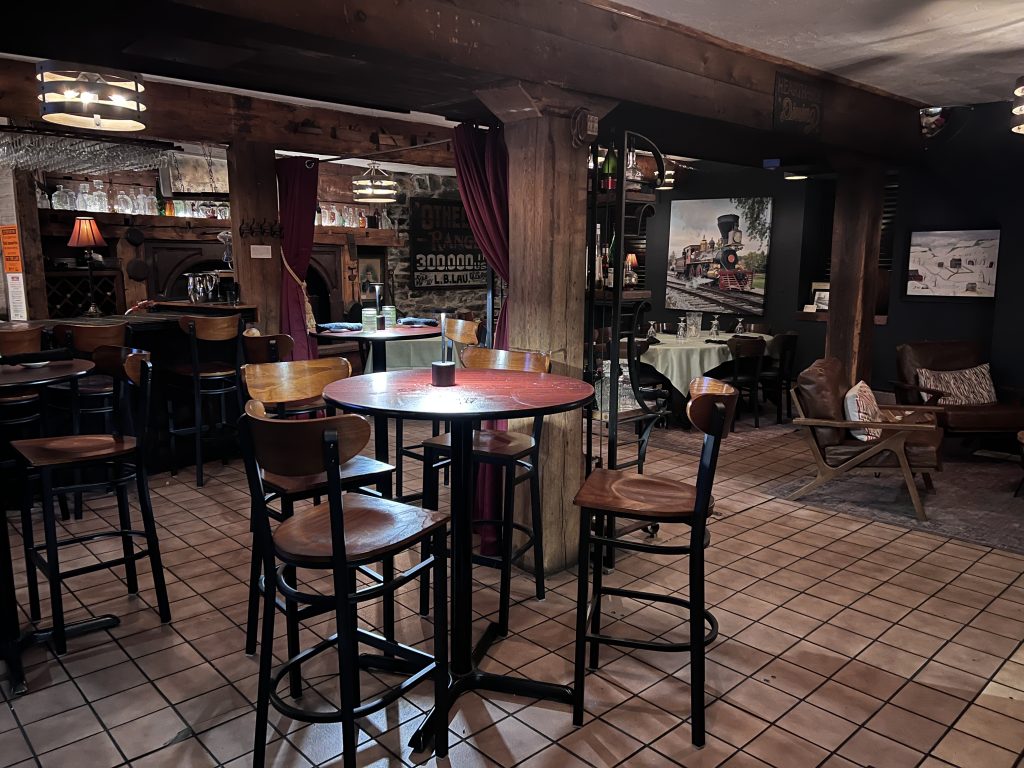
Massive, hand-hewn timbers support the ceilings of every dining room, many of them running the full forty-five feet of the building in a single piece. They are the kind of beams you can’t replicate, only preserve. Below them, the rooms feel weighty in the best possible way — as though the building itself has something to say.
Look closer and the history becomes personal. The mantel above the fountain in the Fountain Room is crafted from the original 22-inch-wide counter from the mill’s old sales room. The east wall wainscoting in that same room was built from the original foundation stones of Simon Koller’s 1832 sawmill. Down in the wine cellar, segments of the original mill wheels have been repurposed into a revolving wine rack.
The pulleys from the original millworks machinery hang overhead throughout the building — transformed, with imagination and care, into chandeliers.
And under the floor, running quietly through it all? The original mill race still flows.
You can sit down to dinner in this place and know that water has been moving beneath your feet continuously for nearly two centuries.
A Restaurant That Describes Itself as “Country Elegance” — and Means It
The phrase “fine dining” tends to conjure images of stiff posture and hushed voices. Table 1837 is after something different.
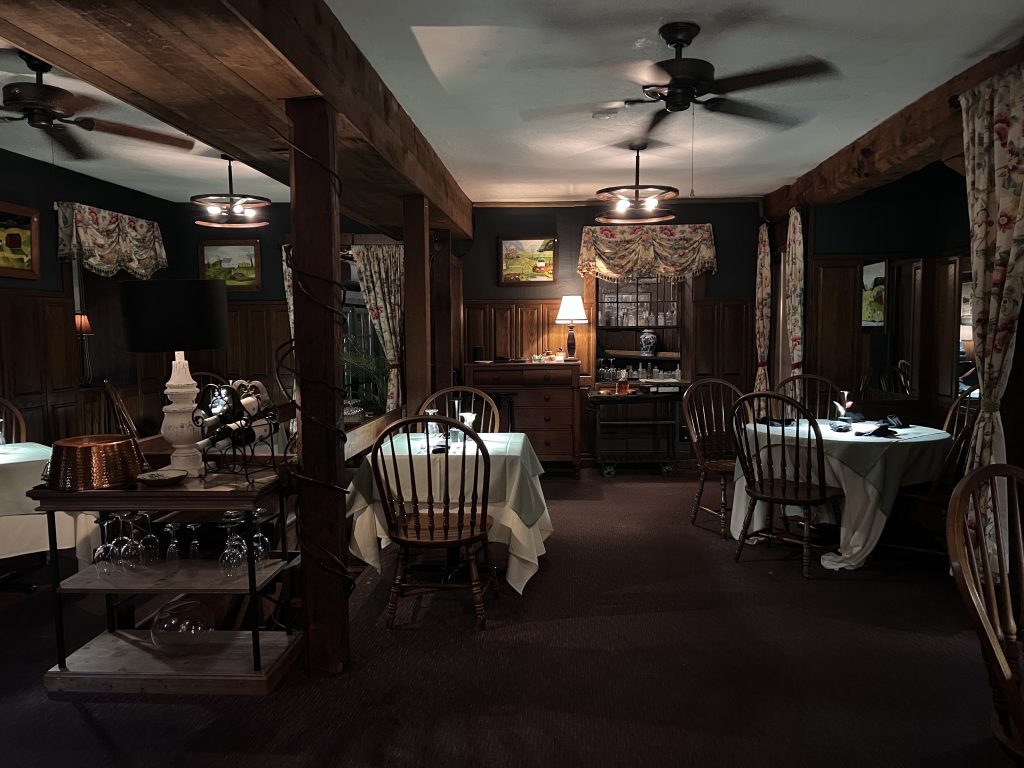
The restaurant describes its philosophy as “country elegance,” and the phrase earns its keep. The atmosphere is warm, candlelit, and genuinely comfortable — not the kind of comfortable that means casual, but the kind that means you can relax fully and still feel like you’re somewhere special.
Reviewers reach for the same words again and again: cozy. Historic. Romantic. Intimate. One guest wrote that the restaurant made her feel “part of history.” Another said it felt like stepping into another time. A couple celebrating their tenth anniversary described the atmosphere as making them feel “very at home.”
That combination — elevated surroundings that somehow don’t intimidate — is harder to achieve than it sounds. Table 1837 has it.
The restaurant occupies multiple dining rooms spread through the old mill, each with its own personality. There’s the formal dining room with its candlelit tables and pianist. There’s the rustic tavern downstairs, all wooden beams and warm lighting, perfect for a cocktail or a more casual evening. There’s the Fountain Room, where guests have been known to request the corner table beside the natural spring. There’s an atrium. There’s outdoor patio seating for warmer months.
No two visits feel quite the same, even if the building doesn’t move an inch.
The Menu Grows from the Ground Up — Literally
Table 1837 operates on a farm-to-table philosophy, and they have the acreage to back it up.
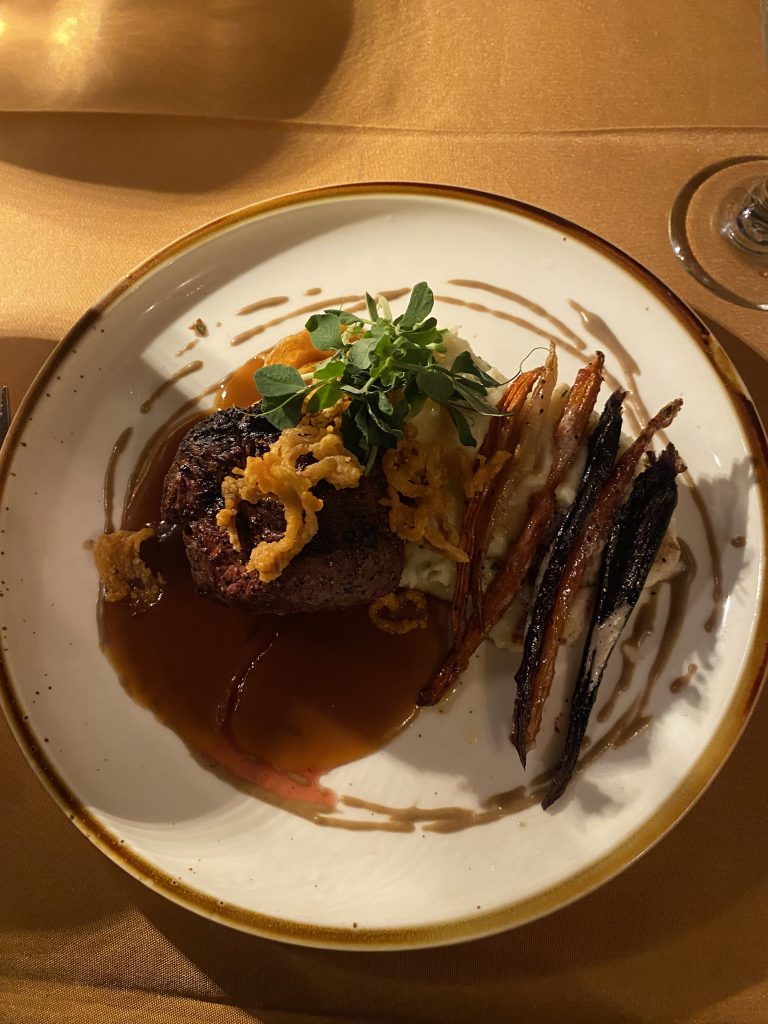
The restaurant sources ingredients from Tulsi Fields Farm — their own 26-acre property — as well as from other local and regional producers. The kitchen adapts the menu seasonally, which means the dishes on the menu in October look different from the ones you’ll find in April.
That commitment to freshness shows up in unexpected places. Multiple reviewers have mentioned how vibrant the vegetables taste — Brussels sprouts that arrive crunchy and properly salted, asparagus grilled to order, herbs that taste like they were cut from a garden that morning rather than shipped in a box.
The prix fixe tasting menus are the kitchen’s real showcase. Available throughout the week in various formats — three-course, five-course, and seasonal chef’s menus — they give the kitchen a chance to pace a meal the way it was meant to be paced: deliberately, generously, with room between courses to breathe.
One reviewer put it memorably: “Our meal was served with perfect timing. My husband and I had time to relax and talk in between courses.”
That’s what a well-paced tasting menu feels like when it’s done right.
The Dishes People Come Back For
Every restaurant has its icons — the dishes that regulars order on autopilot and newcomers are steered toward by knowing staff.
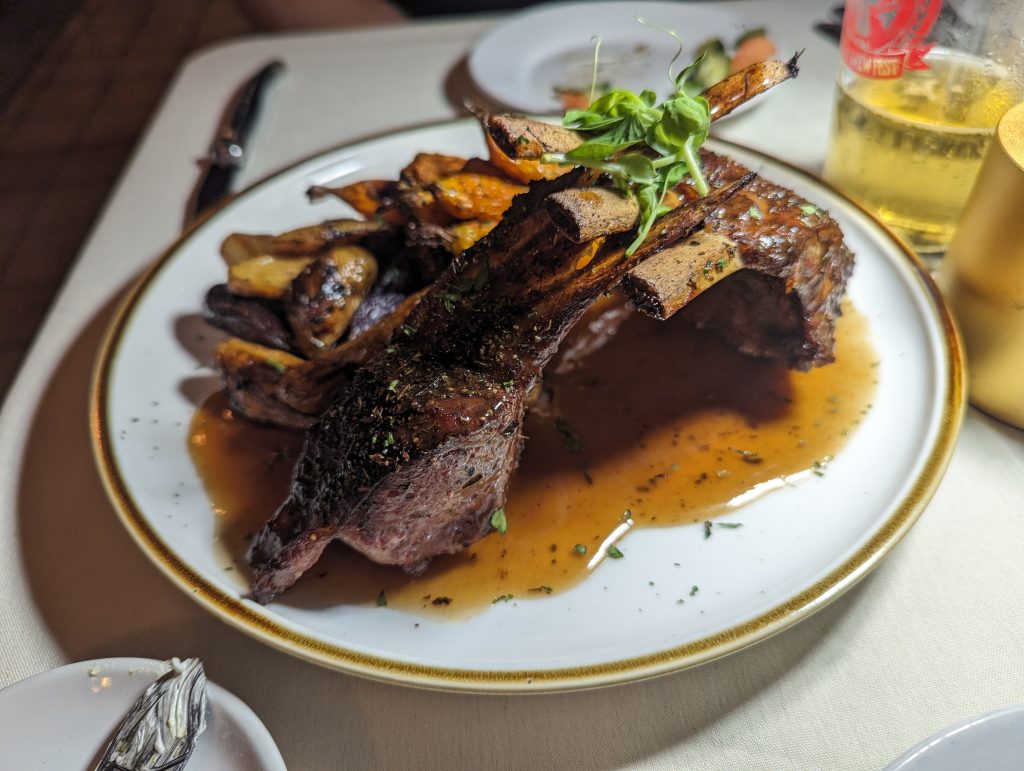
At Table 1837, the short ribs come up again and again. One guest who has eaten short ribs at restaurants around the world called them the best he’d ever had. The preparation results in meat so tender that, as one reviewer noted matter-of-factly, no knife is required.
The seafood menu draws equal devotion. Bacon-wrapped scallops have their own loyal following among guests who return specifically for them. The lobster and crab bisque is thick, rich, and deeply flavored — the kind of soup that earns its own reputation in a restaurant’s story. The crab cakes arrive without fillers, which tells you something important about how the kitchen approaches its ingredients.
Duck appears frequently on the menu and draws consistent praise, with guests remarking on how it’s prepared in ways that elevate the familiar into something genuinely memorable.
When the catch of the day is Chilean sea bass or halibut, order it. The kitchen handles delicate fish with confidence.
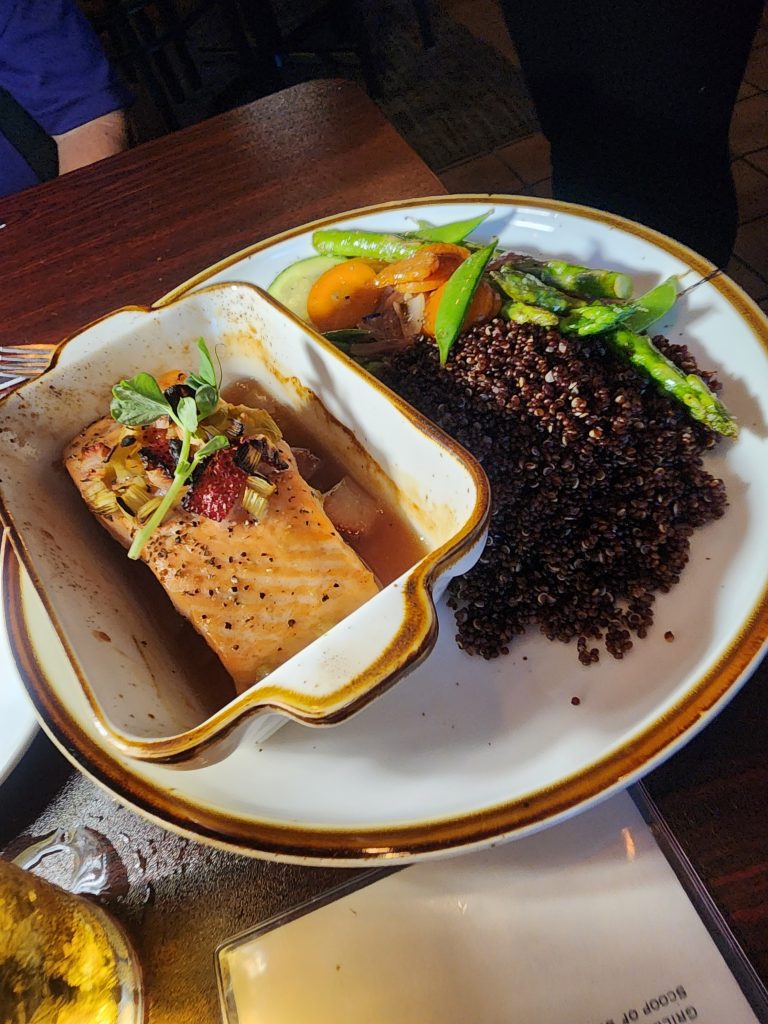
For those who want something more approachable, the tavern menu offers lighter fare — things you might call “upscale comfort food” without any contradiction. A thoughtfully built burger. Shrimp tacos with pickled vegetables. A Caesar salad with an interesting presentation that surprises first-timers.
And then there are the desserts, which guests discuss with the kind of enthusiasm usually reserved for the main course. The chocolate pot de crème. The pumpkin mousse. The churro bites. The chocolate mousse cake. The housemade cheesecake. One guest, writing after a Thanksgiving dinner, called the dessert “one of the best ever” without further qualification — as if it needed no elaboration.
Sunday Champagne Brunch Changes the Whole Equation
If you can’t make it for a weeknight dinner, Sunday at Table 1837 makes a strong case for itself.

The Sunday Champagne Brunch runs from 11 a.m. to 2 p.m. and turns the restaurant into a full brunch experience — complete with an omelette station, a hand-carved meat station, teriyaki salmon, and a rotating cast of dishes that reflect the kitchen’s same commitment to freshness.
Hikers and cyclists coming off the York Heritage Rail Trail have discovered the brunch as a natural endpoint for a morning ride. The rail trail runs directly past the restaurant, making it one of those rare situations where the best food for miles is also the most conveniently located.
The combination of outdoor exercise and an unhurried Sunday brunch inside a nearly 200-year-old mill, with champagne, is not an experience most people expect to find in south-central Pennsylvania.
Live Music in a Room That Was Built for It
On Friday and Saturday evenings, a pianist takes a seat in the main dining room.
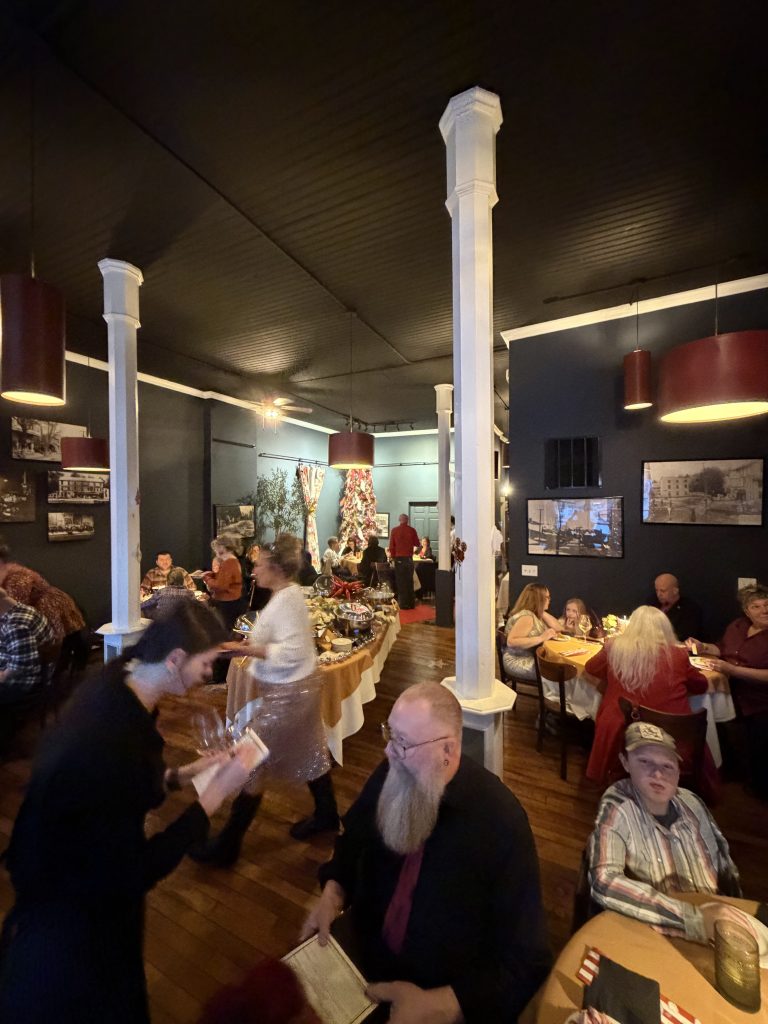
This is the kind of detail that seems minor until you’re actually inside the building. The acoustics of an old brick mill, with its thick walls and heavy beams, do something lovely with live piano music. It fills the room without crowding it. It provides something to listen to without demanding attention.
Multiple guests have mentioned the pianist as a highlight of the evening — not just as pleasant background noise, but as the element that lifted a dinner from very good to genuinely special. One couple, on a second visit, specifically planned to arrive on a Friday so they could experience the music again.
The restaurant has also hosted live music in the tavern on other evenings, and occasional special events feature performances of various kinds. Jazz on Friday nights has been a tradition at various points.
A building this old knows how to hold a note.
The Staff Treats Every Table Like It’s the Most Important One in the Room
Hospitality at Table 1837 is its own conversation.
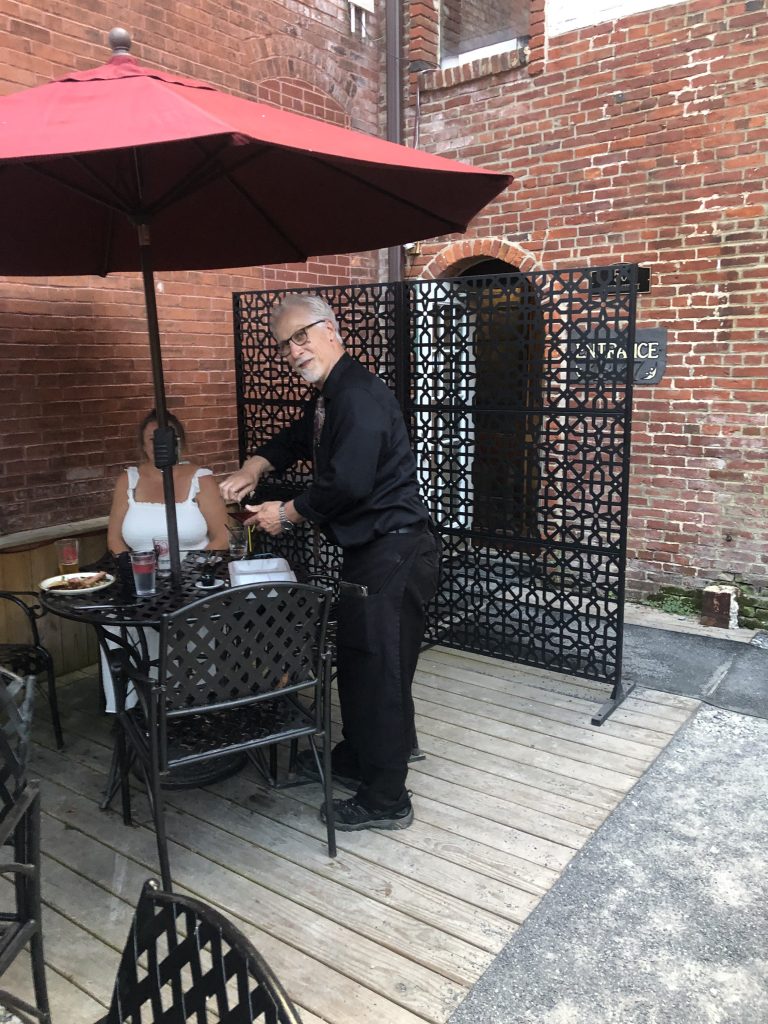
The reviews tell a consistent story across years and dozens of occasions: champagne brought to the table without being asked for birthdays and anniversaries, servers who notice when a guest isn’t drinking and adjust their suggestions accordingly, staff who accommodate dietary restrictions not just competently but creatively.
One guest brought her daughter, who has vision problems that made navigating the space difficult. She later wrote that the staff had “completely spoiled her.” A party of twelve brought there by a business host reported that the transition from cocktails at the bar to a full dinner service felt seamless and polished.
The building carries nearly two centuries of history. The staff seems to understand that every person who walks through the door is creating their own small chapter in it.
You Can Also Spend the Night
The Glen Rock Mill Inn is both a restaurant and a boutique hotel, which means the evening doesn’t have to end when dinner does.
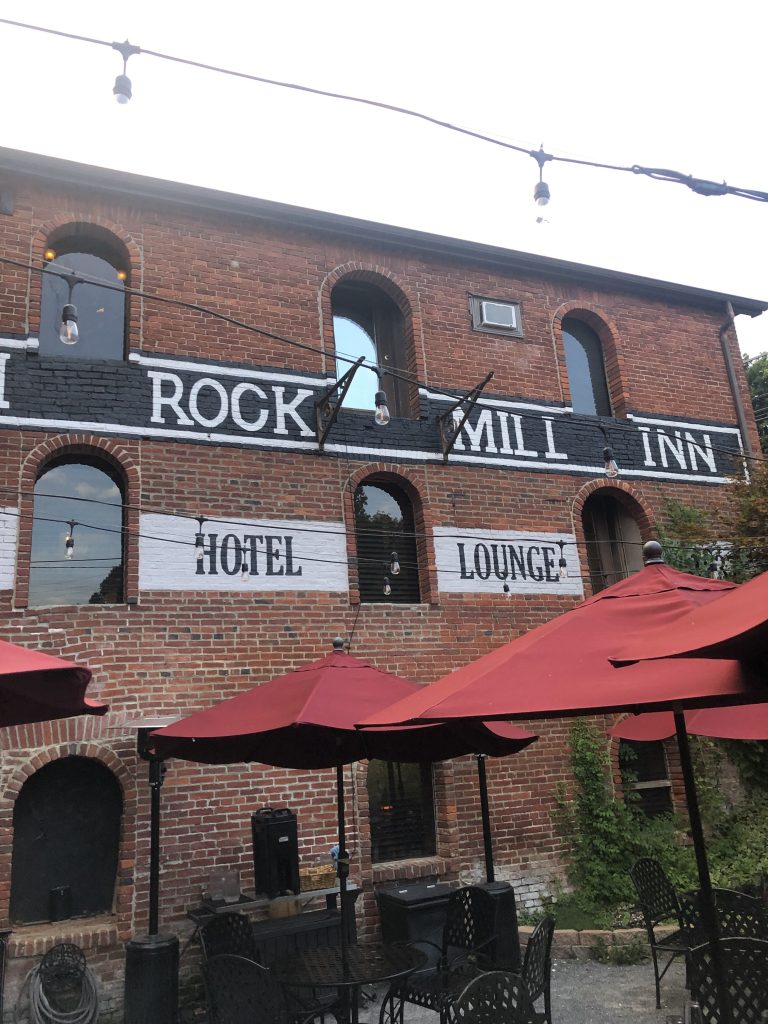
The guest rooms are housed within the restored mill building, offering king and queen suites with historic character and modern amenities. Leather headboards, woodgrain furniture, and crisp white linens sit easily alongside 200-year-old brick walls and exposed beams.
Some rooms open onto patios; upper-story rooms have balconies. There are rooms with water views overlooking a serene pond. The Glatfelter Room, a private event space, has hosted birthday parties for forty-five, anniversary celebrations, and corporate gatherings — all against the backdrop of beautifully preserved mill architecture.
Guests who stay overnight often describe the experience as quietly transformative — the kind of place that makes you reconsider how much history you’ve been walking past without noticing.
After dinner, the tavern is right downstairs.
A Town Worth Arriving Early For
Glen Rock is a small borough of roughly 2,000 people in York County, and the downtown area is listed on the National Historic Registry.
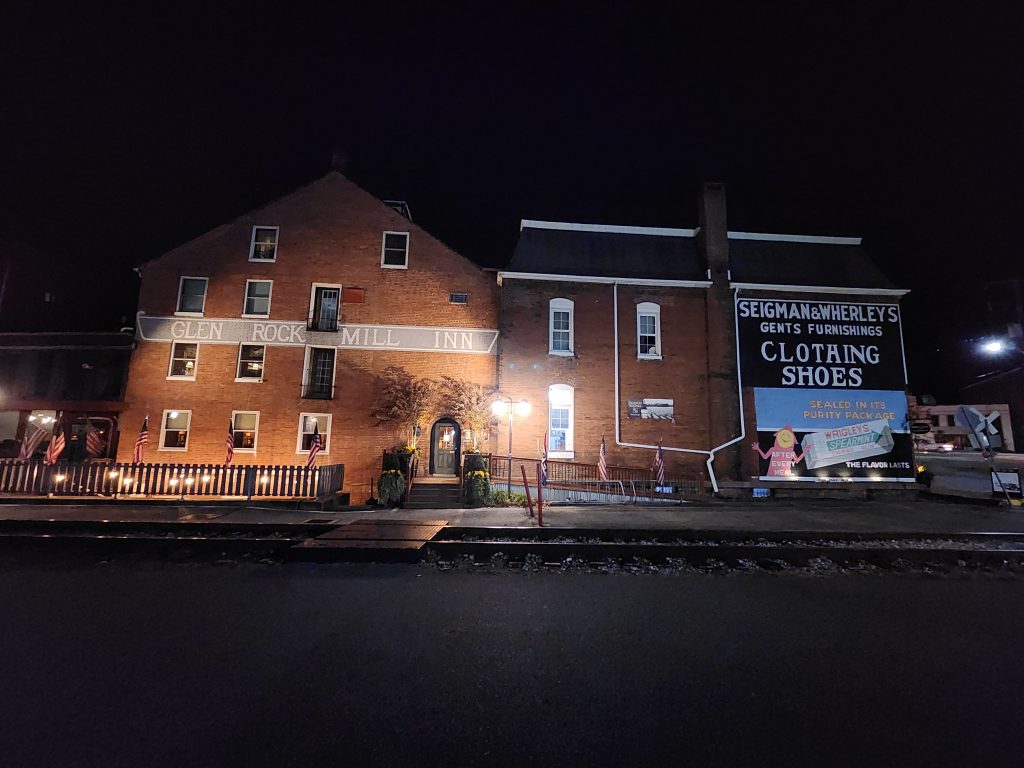
The York Heritage Rail Trail runs directly through town, making it accessible to cyclists and hikers coming from York or further afield. When the historic steam train runs on certain dates, guests dining near the window get to watch it pass — a detail that seems almost staged for atmosphere, but isn’t.
The town itself is quiet and genuinely charming. There’s no reason to rush in and rush out. If you’re coming from York, Harrisburg, or Baltimore — all within roughly 40 minutes — it makes for an easy half-day or full-day excursion.
Come for the building. Stay for the food. Sleep in the mill if you can manage it.
Getting to Table 1837
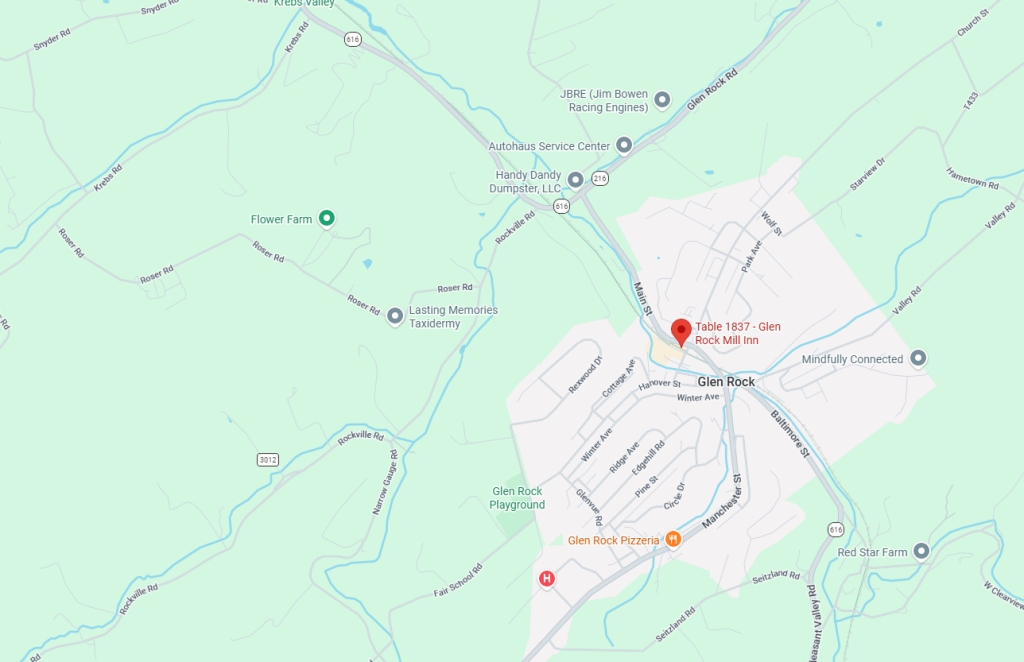
Table 1837 at the Historic Glen Rock Mill Inn is located at 50 Water Street in Glen Rock, Pennsylvania — about 40 minutes from both Harrisburg and Baltimore.
The restaurant is open Tuesday through Sunday, with lunch service beginning Wednesday through Sunday and dinner service available through the week. Sunday Champagne Brunch runs from 11 a.m. to 2 p.m. The restaurant is closed on Mondays, though the space is available for private events.
Reservations are strongly recommended, especially for weekend evenings and special occasions. Note that several dining spaces in the historic building require stairs; mention any mobility needs when booking.
Where: 50 Water Street, Glen Rock, PA 17327 Phone: (717) 235-5918 Website: table1837.com
More stories
This Historic Arkansas Restaurant Is a James Beard-Winning Soul Food Legend
This Charming Arkansas Café Is a Backroads Gem Worth Every Mile of the Drive

This Humble Oklahoma City Tortilleria Is the Best Kept Secret in the Sooner State
This Legendary Oregon Gelato Shop Is Worth Planning Your Whole Road Trip Around
Share this story