This Historic Arkansas Restaurant Is a James Beard-Winning Soul Food Legend
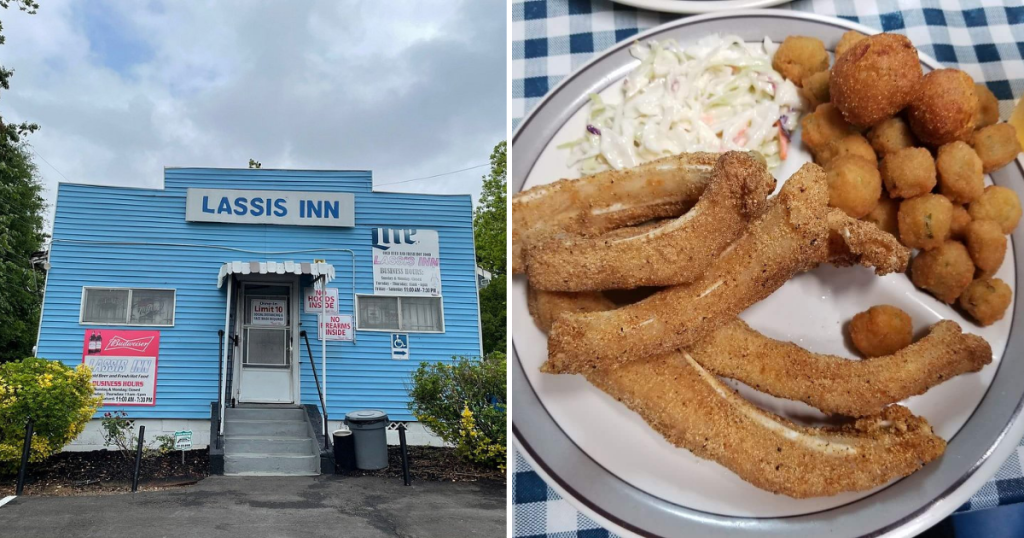
There are some places you hear about before you ever visit — places that live in the stories people tell over dinner, in the way someone’s eyes light up when they say the name.
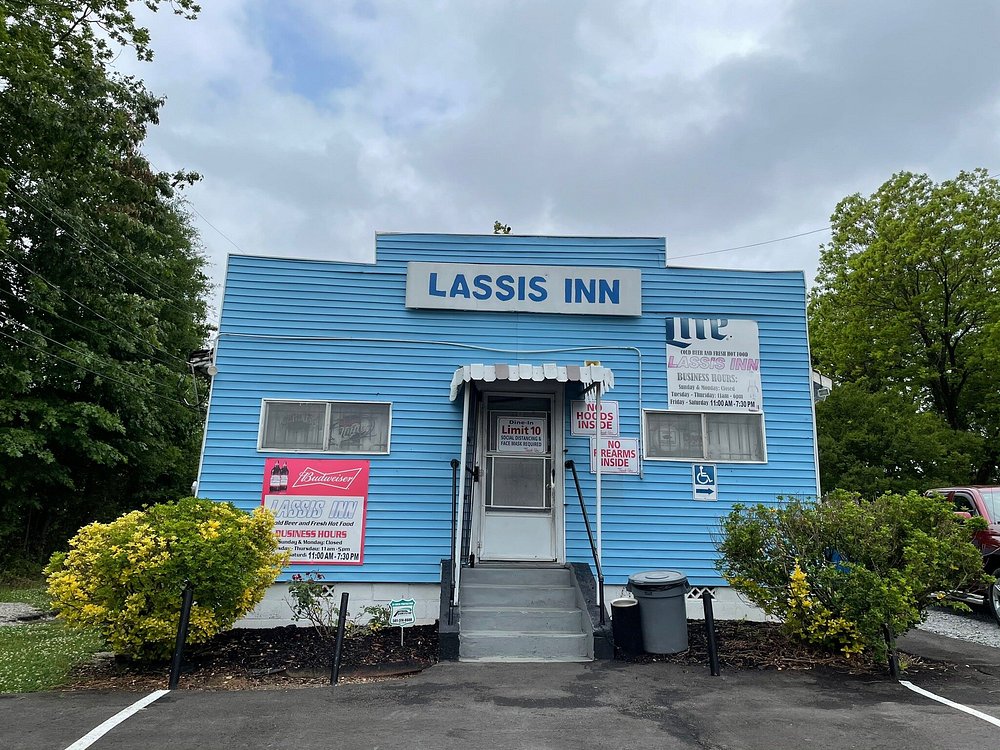
Lassis Inn in Little Rock is one of those places.
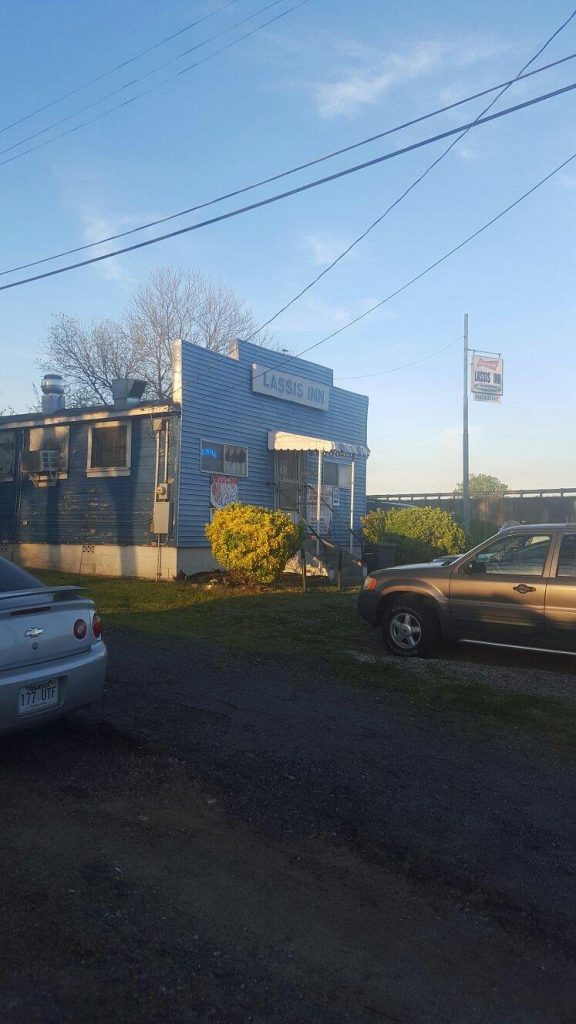
A small, royal-blue building hunched alongside Interstate 30 on East 27th Street, it doesn’t announce itself with neon signs or valet stands. It just sits there, quietly, doing what it has done since around 1905 — serving some of the most legendary fried fish in the South.
If you grew up in Arkansas, someone in your family probably brought you here. If you didn’t, consider this your introduction.
A Restaurant That Started With a Sandwich and a Dream
The story of Lassis Inn begins the way so many great American food stories do: at home, with nothing fancy.
Around 1905, Joe and Molassis Watson started selling sandwiches out of the back of their house in Little Rock. When Joe added catfish to the menu, something clicked. Sales took off fast. The neighbors couldn’t get enough of it.
Eventually, the Watsons built a separate building for their food business. They planned to call it the Watson Inn, but changed their minds at the last minute — they liked the ring of Molassis’s name better. So Lassis Inn it was.
By 1931, the restaurant had made it into the pages of the Arkansas Gazette. That’s the first known advertising listing, and it’s remarkable: this place has been in the public conversation for nearly a century.
In the 1960s, the building was relocated a short distance to make way for the construction of Interstate 30. The restaurant moved — but the recipe didn’t.
Where Civil Rights History and Catfish Collide
There’s a dimension to Lassis Inn that goes well beyond food.
In the years leading up to the 1957 desegregation of Little Rock Central High School, civil rights leader Daisy Bates and other activists held regular meetings at the restaurant. At a time when Black community members had few safe places to gather and organize, Lassis Inn was one of them.
Longtime operator Elihue Washington Jr. put it plainly: “This was the only place. People couldn’t go anywhere else.”
That history gives the restaurant a weight that you feel the moment you walk in. It’s not just a catfish joint. It’s a place where community, courage, and really good cooking all lived under the same roof — and still do.
I think about places like that often, the ones that served as anchor points for whole communities. Sitting down to a plate of fish there isn’t just a meal. It’s a small act of participation in something bigger.
The Fish That Made It Famous
Let’s get to the reason most people make the drive.
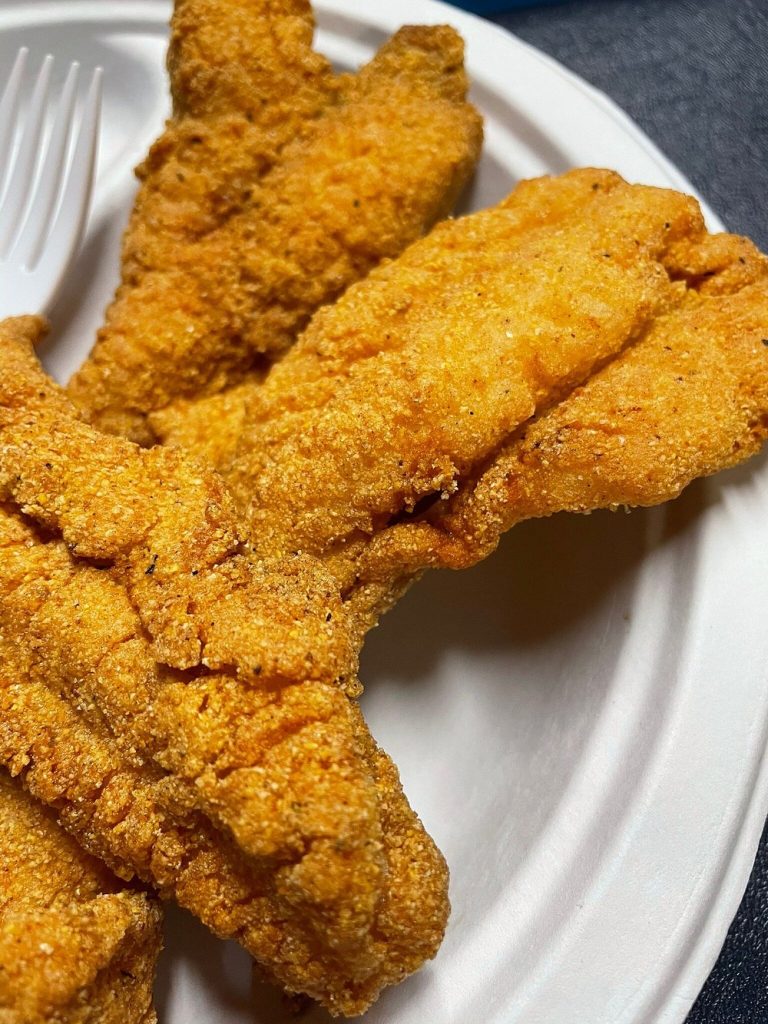
The catfish at Lassis Inn is the kind of fried fish that gives fried fish a good name. The kitchen uses only U.S. pond-raised catfish, and every order comes out of the fryer fresh — no sitting under a heat lamp, no shortcuts.
The crust is the first thing you’ll notice. Golden and satisfyingly crunchy, it gives way to fish that is tender, moist, and meaty in the best way. There’s no sogginess, no oiliness, none of the usual offenders. Just fish done right.
Food writer Katherine Whitworth once described the catfish at Lassis Inn with refreshing specificity, noting the absence of all the things that ruin a good piece of fried fish — soggy crust, watery flesh, overcooked batter. At Lassis, she wrote, none of those descriptions apply.
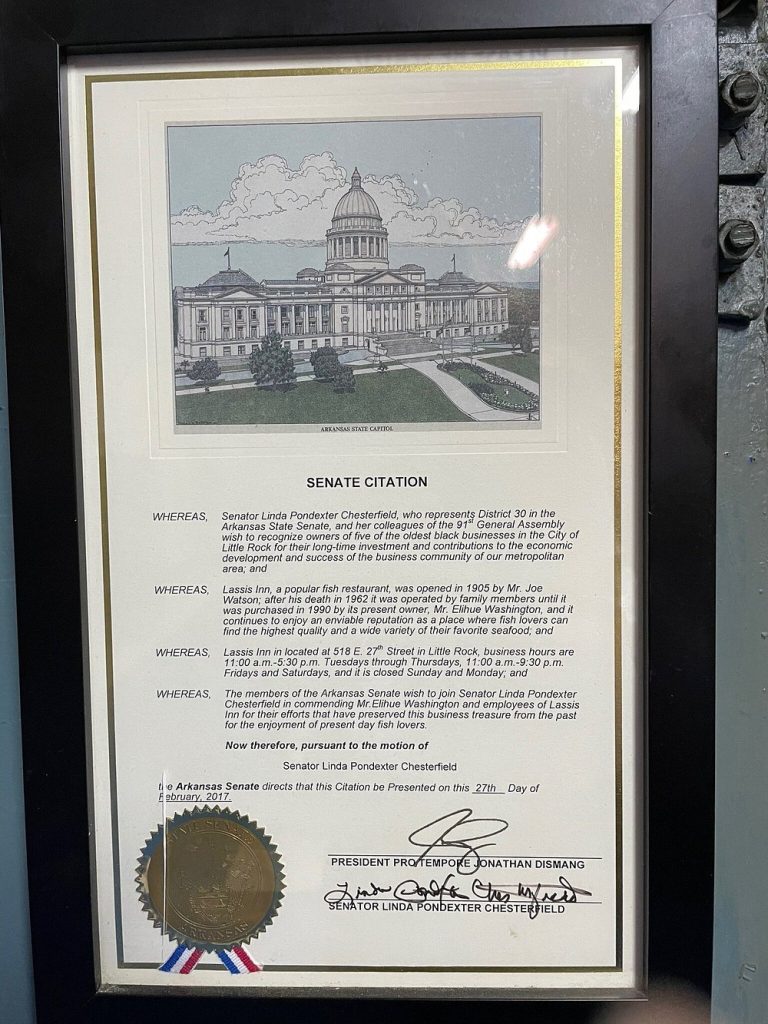
That’s the kind of endorsement that means something. The James Beard Foundation agreed: in 2020, Lassis Inn received the American Classics Award, one of the most prestigious recognitions in American food.
It was also among the first inductees into the Arkansas Food Hall of Fame at the inaugural ceremony in February 2017.
This is not a hidden gem. It’s a celebrated institution. The distinction matters.
The Dish You Didn’t Know You Were Missing
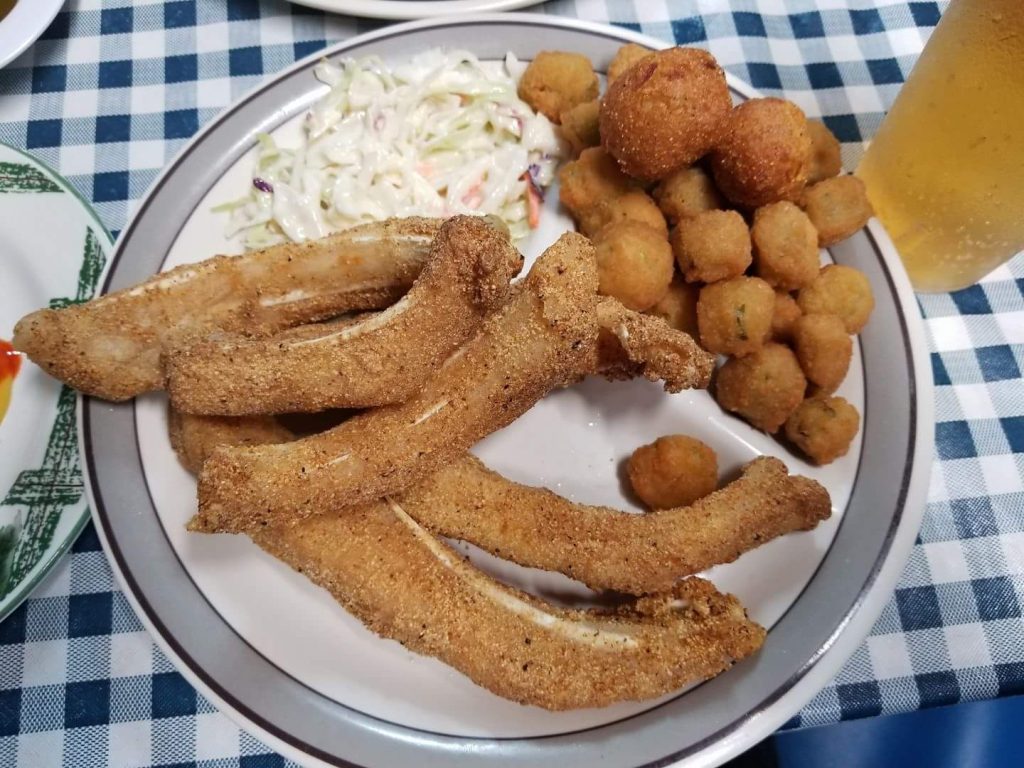
Here’s the thing about buffalo fish ribs: most people outside of Arkansas have never heard of them. But after one plate, they become something of an obsession.
Buffalo fish is a freshwater species native to rivers across the South and Midwest. It has a slightly stronger, more pronounced flavor than catfish, and it tends to divide people — some consider it an acquired taste, others fall for it immediately.
At Lassis Inn, the buffalo fish is served as “ribs” — large, bone-in sections that are battered and fried until the coating cracks and crunches. You hold them like ribs, working the tender meat away from the big, unmistakable bones.
The first time I heard someone describe fish ribs, I had to sit with it for a second. Fish ribs. It sounds like something invented for a joke. But this is a real and deeply Southern delicacy, and this is one of the few places left in the country where you can get them.
Regulars describe it as a dish that feels like a discovery — something genuinely new, even for people who think they’ve tried everything. One reviewer called the bones part of the charm, something to hold onto while you work through the tender, flavorful meat.
If you’ve never had buffalo fish before, Lassis Inn is the right place to try it for the first time.
Hushpuppies That Deserve Their Own Moment
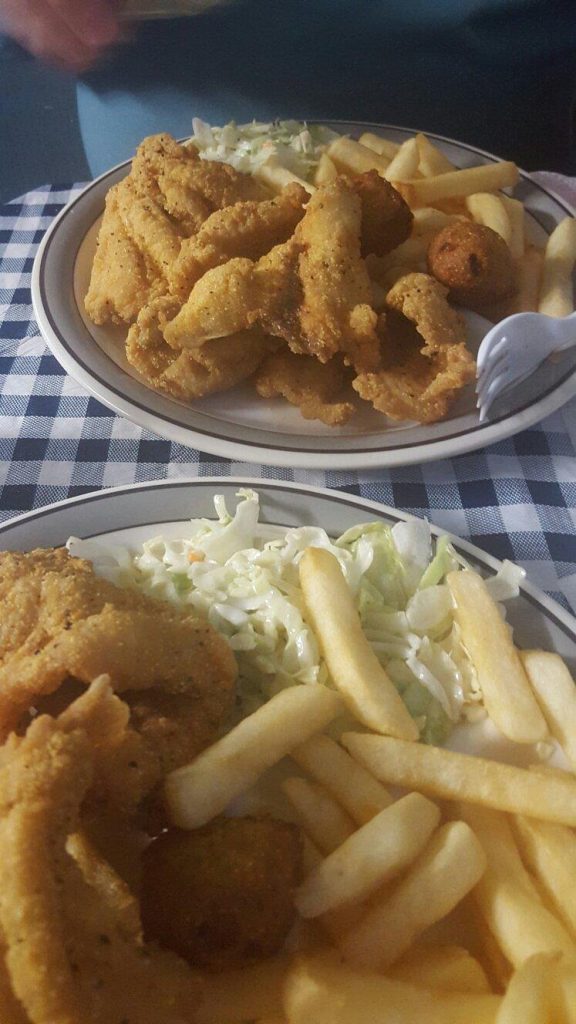
Southern restaurants live and die by their hushpuppies, and Lassis Inn’s are the kind people talk about long after the catfish is gone.
Each one arrives hot, golden, and just the right size — crispy on the outside, light and fluffy within, with that slightly sweet cornmeal flavor that tastes like everything warm and familiar about Southern cooking.
They pair beautifully with the fish, especially when you have a bottle of Louisiana hot sauce nearby. Reviewers have described them as the best they’ve ever had, which is a strong claim in a part of the country where hushpuppies are serious business.
The kitchen has been refining these for generations. It shows.
I’ve always believed that the sides at a restaurant reveal how much a kitchen actually cares. At Lassis Inn, the hushpuppies aren’t an afterthought — they’re a commitment.
Sides That Complete the Picture
The menu at Lassis Inn is focused, which is the whole point.
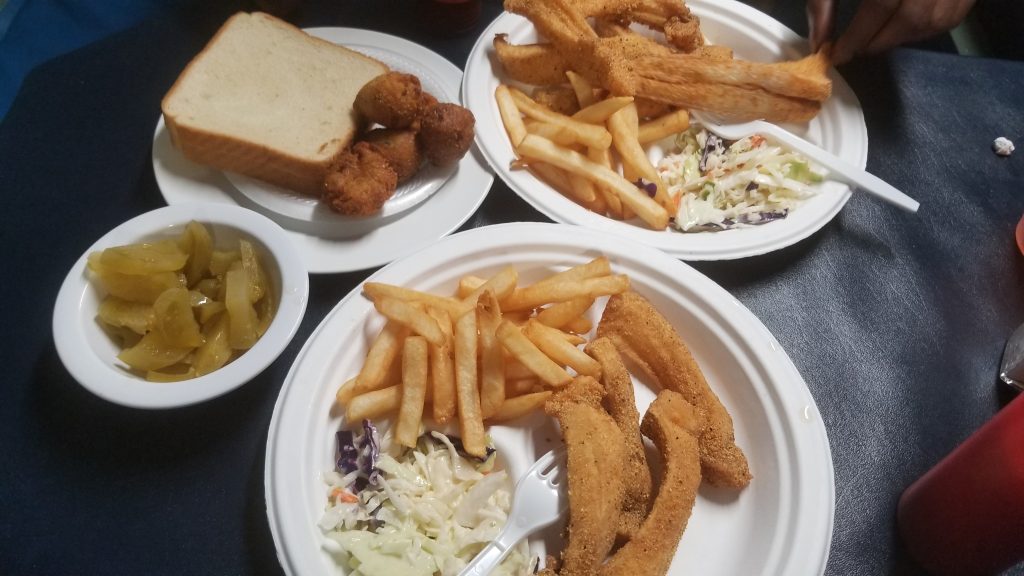
The kitchen doesn’t try to do too much. There’s fish, there’s catfish, there’s buffalo fish, and there are the sides that have always belonged with them: coleslaw, crinkle fries, fried okra, and a tomato relish that deserves more attention than it usually gets.
The tomato relish — particularly when fried green tomatoes are available in season — is a genuinely exciting condiment. Crunchy, sweet, tangy, and salty all at once, it cuts right through the richness of the fried fish and clears the palate between bites.
The fried okra is golden and addictive, the kind you reach for one piece at a time until you realize the plate is empty.
Fries come out hot and well-seasoned, with the kind of crispy-outside, tender-inside ratio that is harder to achieve than it sounds.
A limited menu done with genuine care will always beat an exhaustive one done carelessly. Lassis Inn figured that out over a century ago.
The Atmosphere Is the Point
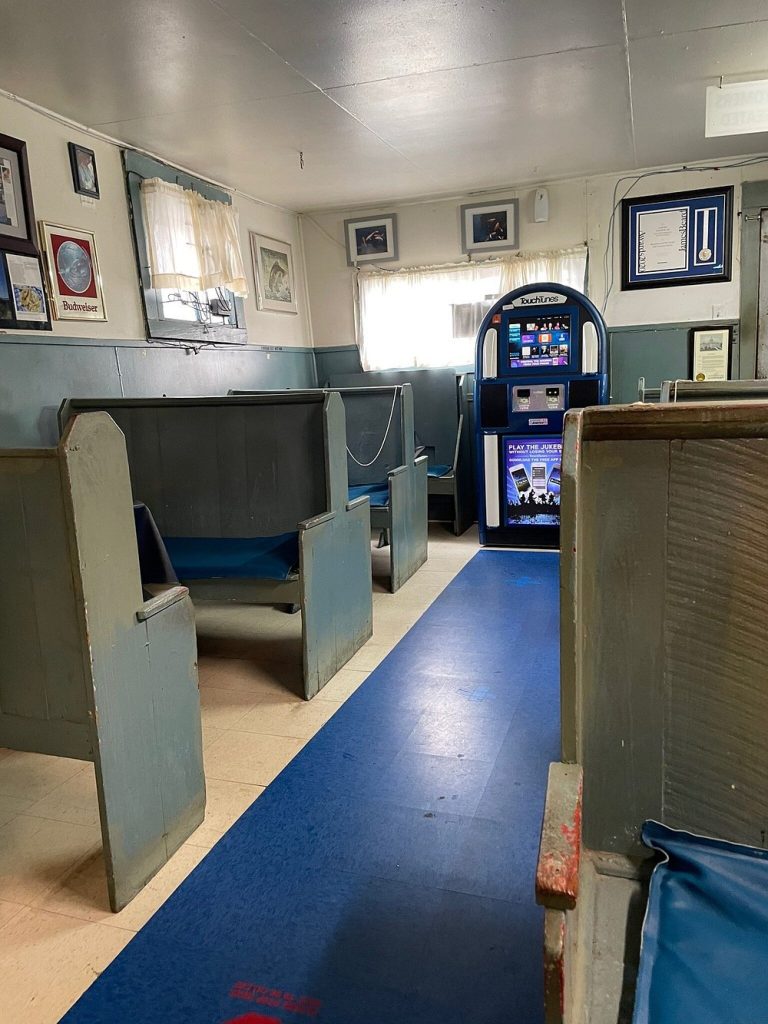
The inside of Lassis Inn looks much the same as it has for decades.
Wooden booths line the walls. A jukebox anchors the room, playing old soul and blues while you eat. A sign reading “No Dancing” is posted prominently throughout the space — a detail with its own history. When the jukebox was first installed, guests danced so enthusiastically in the narrow aisles that the owner eventually had to make repairs weekly. The sign went up, and it stayed.
There are only about ten seats for dine-in customers at a time, which keeps the experience intimate and unhurried. The staff doesn’t hover. You get to eat your fish in peace, with good music and the company of a room that has seen a lot of Little Rock history.
The building is small and modest from the outside. The kind of place you might drive past without a second look, unless you knew to stop. But once you’re inside, it feels completely right — like a place that has always known exactly what it is.
Some restaurants manufacture atmosphere with vintage signs and curated playlists. At Lassis Inn, the atmosphere was never manufactured. It just accumulated, year after year, plate after plate.
The James Beard Award That Surprised No One
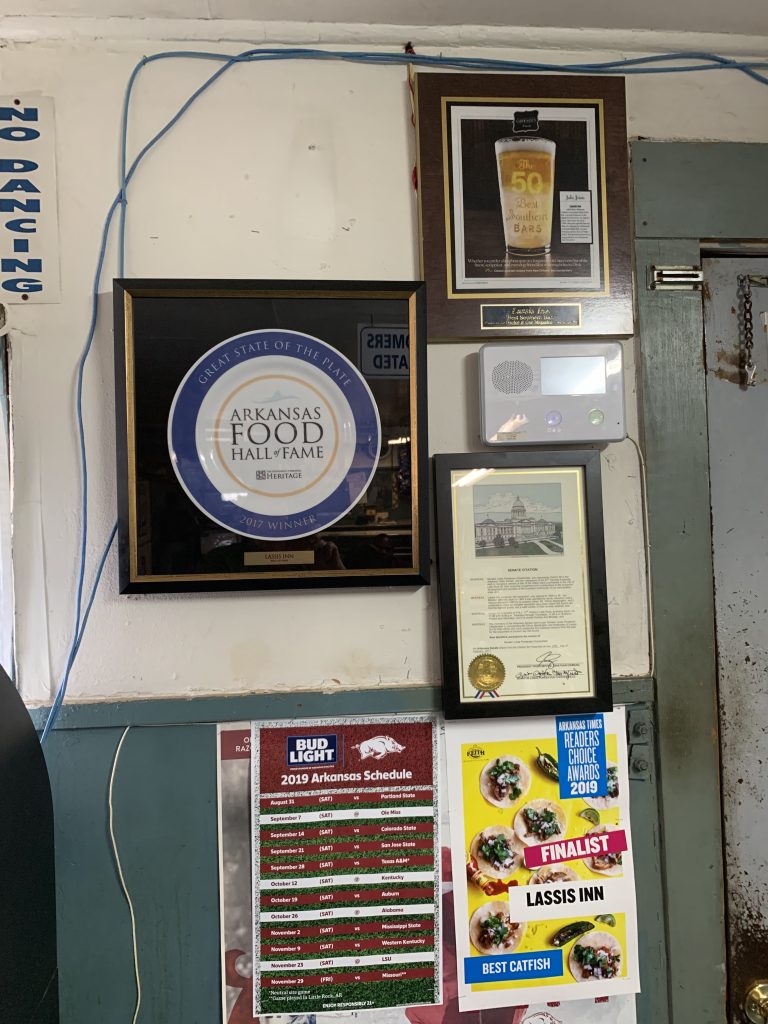
When the James Beard Foundation awarded Lassis Inn its American Classics distinction in 2020, the Little Rock food community celebrated. But no one was shocked.
The American Classics Award recognizes restaurants that have played meaningful roles in their communities, places with “timeless appeal” whose food reflects the character of their region. Lassis Inn is exactly that.
It is one of only two restaurants in Arkansas to receive a James Beard Award — a remarkable distinction for a place with a menu this focused and a building this humble.
The award sits on the walls alongside other accolades, physical proof that the rest of the country has noticed what Little Rock has known for generations.
What to Order on Your First Visit
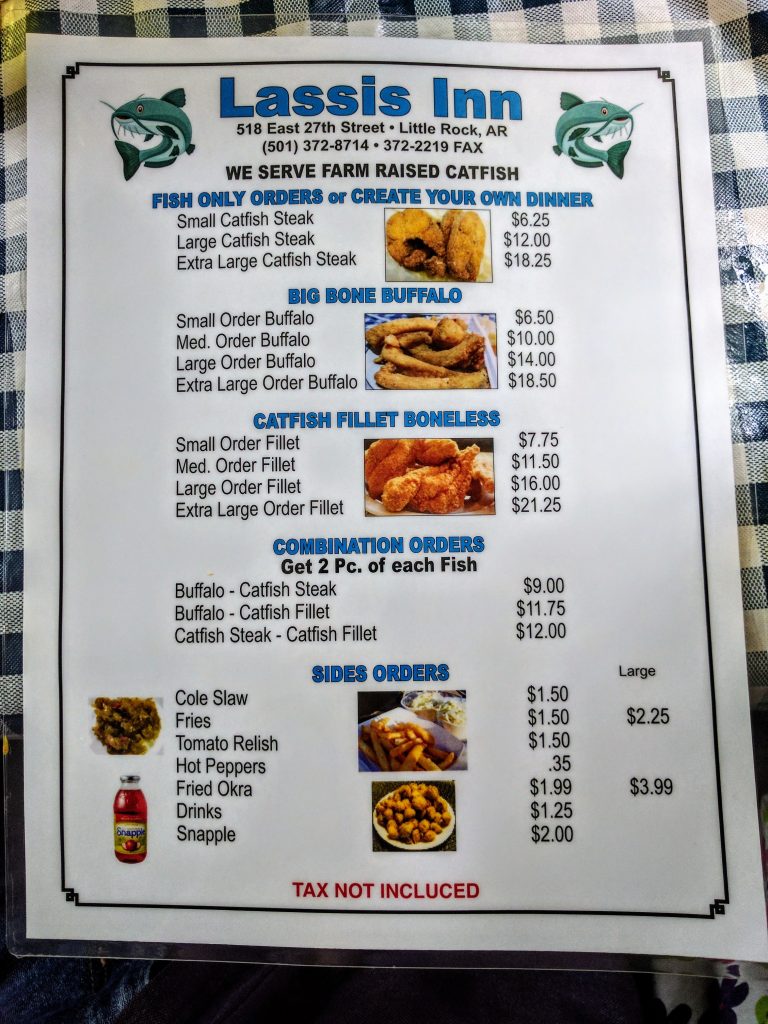
Walking into a new restaurant and not knowing where to start can be genuinely stressful. Here, it isn’t.
Start with the catfish steaks or catfish fillets, depending on how much fish you want. Steaks are bone-in cuts with more meat; fillets are boneless and a little more approachable for first-timers. Both are excellent.
Add a side of fried okra and a basket of hushpuppies. Ask for the tomato relish. Get a cold beer if the mood strikes — the restaurant serves beer, and it pairs surprisingly well with the fish.
If you’re feeling adventurous, order the buffalo fish ribs. They require a little more work — you’ll be navigating the big bones — but the payoff is worth it. This is a taste that belongs to this region, and this restaurant does it as well as anyone.
Everything is cooked to order, which means there may be a short wait. Calling ahead with your order is smart, especially if you’re coming during the lunch rush.
Pro tip: portions are honest but not overwhelming. Order a little more than you think you need.
A Little Rock Legend Worth the Drive
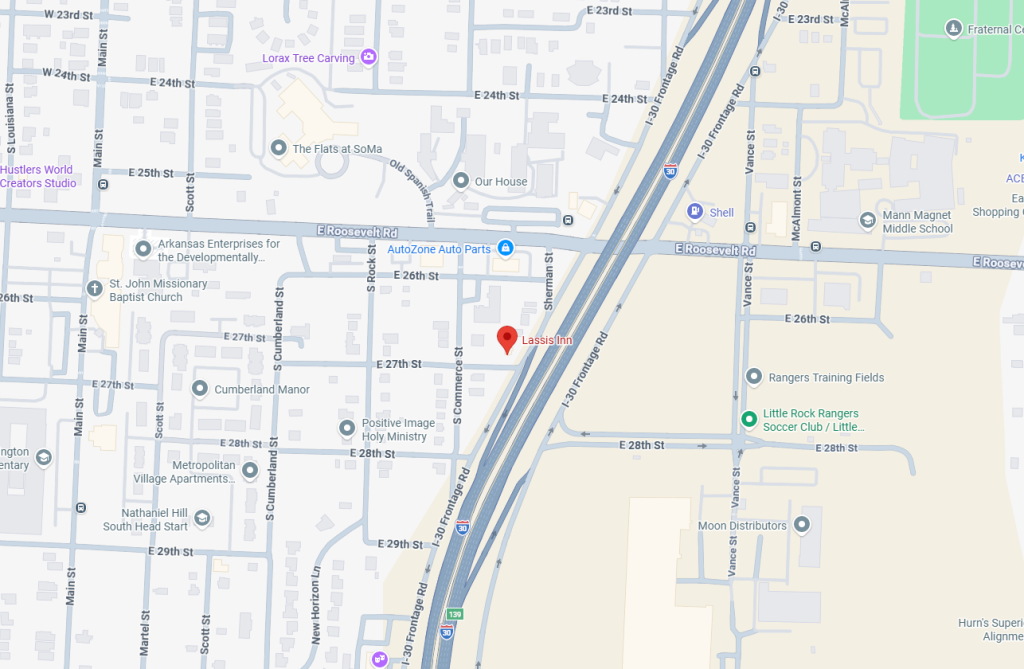
Lassis Inn is located at 518 East 27th Street in Little Rock, tucked alongside the interstate in a neighborhood with real character.
It’s open Tuesday through Thursday from 11 a.m. to 5 p.m., and Friday and Saturday from 11 a.m. to 7:30 p.m. It’s closed Sunday and Monday.
Street parking nearby can get tight during busy hours, but a short walk from a spot a block away is a small price for what’s waiting inside.
Prices are modest — most meals fall in the range that makes this kind of cooking accessible to everyone, which feels appropriate for a restaurant that has always been a community institution first and a destination second.
There are places in every state that exist not because of marketing or social media buzz but because of something more durable: consistency, community, and cooking that hasn’t needed to change in over a hundred years.
Lassis Inn is one of those places.
When you finally sit down with your plate of catfish and a side of hushpuppies, with the jukebox going and the sound of the fryer in the background, you’ll understand immediately why people keep coming back. And you’ll start planning your next visit before you finish your first.
More stories
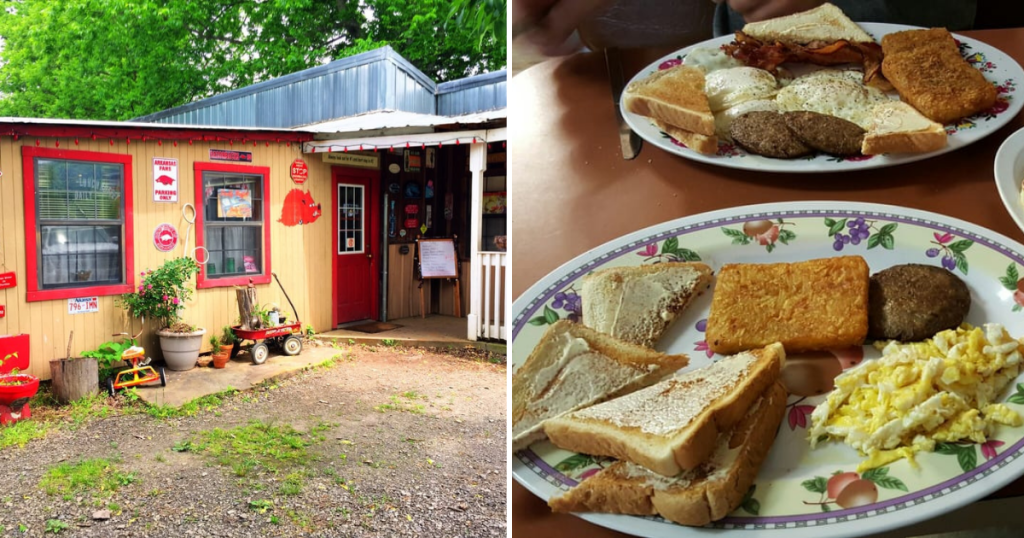
This Charming Arkansas Café Is a Backroads Gem Worth Every Mile of the Drive
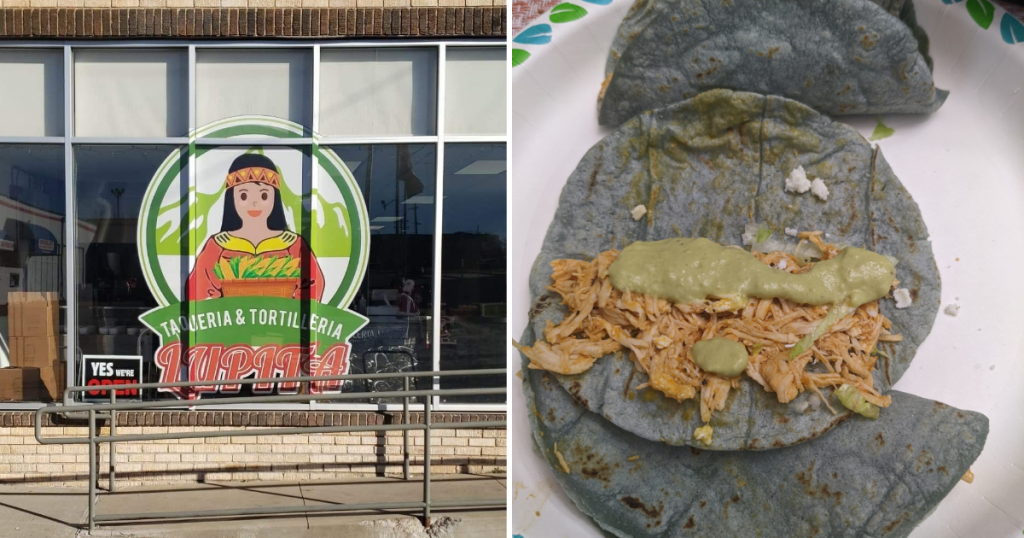
This Humble Oklahoma City Tortilleria Is the Best Kept Secret in the Sooner State
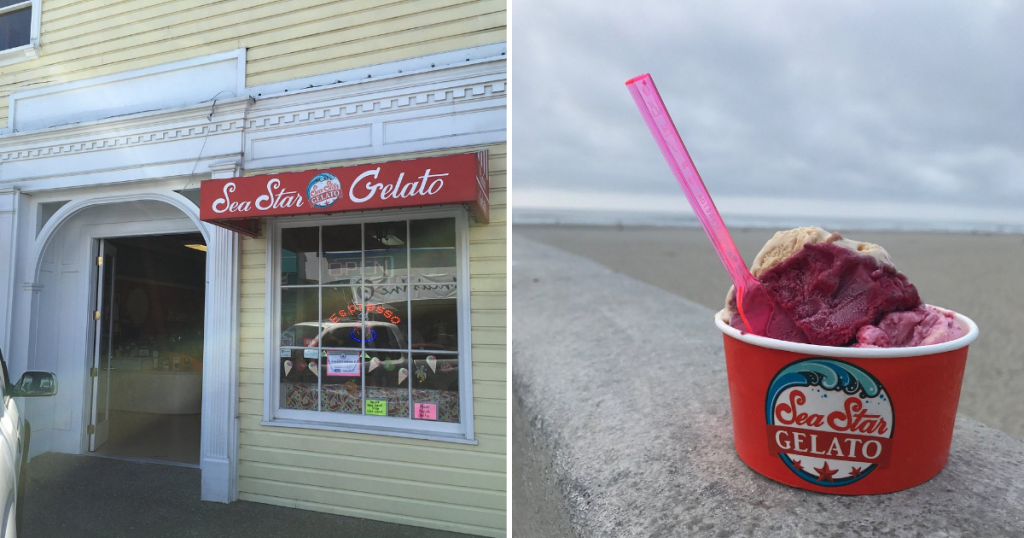
This Legendary Oregon Gelato Shop Is Worth Planning Your Whole Road Trip Around
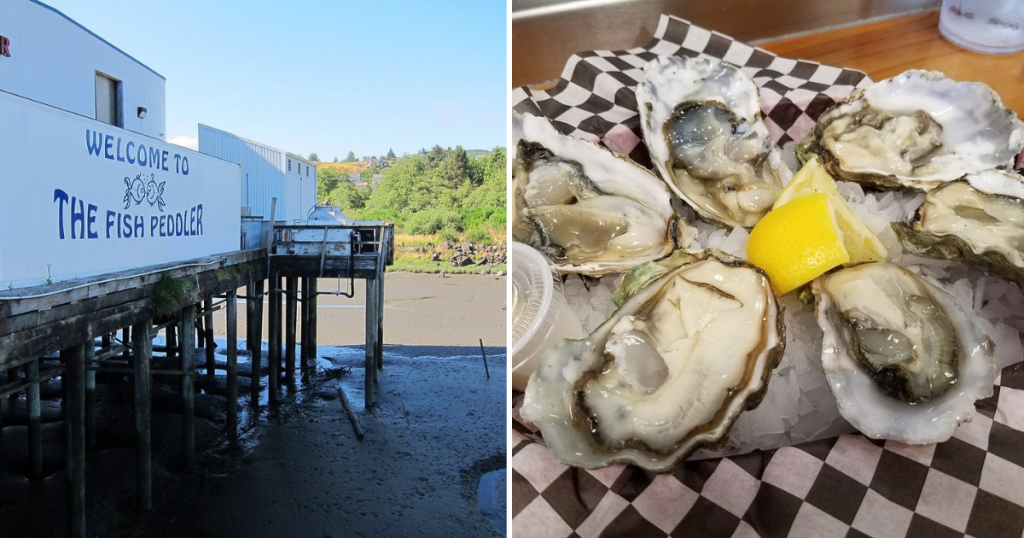
This Unassuming Oregon Seafood Shack Is the Most Delicious Detour on the Coast
Share this story