This Legendary Tennessee Country Store Is the Most Delicious Detour Between Memphis and Nashville
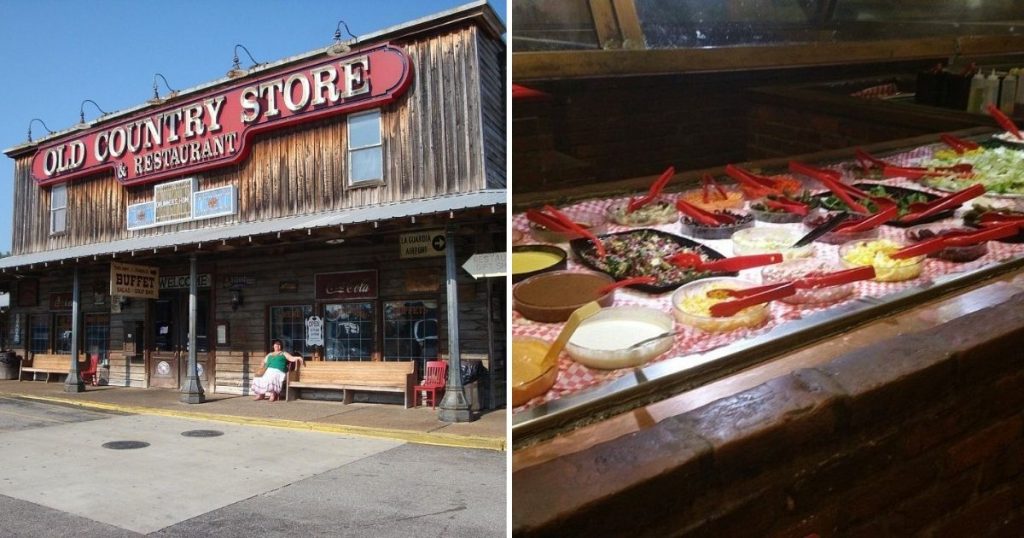
There’s a particular kind of excitement that builds when a road trip destination announces itself before you even arrive. The billboards start stacking up along Interstate 40 somewhere west of Jackson, promising something that sounds almost too good to be true: a Southern buffet so celebrated that the state of Tennessee named it one of its Top 10 travel attractions.
That’s a serious claim. Tennessee is not a state that takes its food lightly.
But pull off at Exit 80A and make your way down the Hwy 45 Bypass, and you’ll find something that earns every word of the hype — Brooks Shaw’s Old Country Store, a third-generation, family-owned institution that has been feeding the South since 1965.
Some places exist to fill a plate. This one exists to restore something in you.
I’ve driven long stretches of American highway many times, and the kind of stop that makes a road trip feel like more than just a commute from one point to another is rare. Brooks Shaw’s is exactly that stop. The kind of place where locals make detours from other towns just to eat lunch, and out-of-towners reroute their entire drive because someone told them, firmly and without exaggeration, that they couldn’t afford to miss it.
It’s tucked into Casey Jones Village — a living, breathing piece of Tennessee history — and the moment you set foot inside, you’ll understand why people keep coming back year after year, generation after generation.
A Place Where History Isn’t Velvet-Roped Off
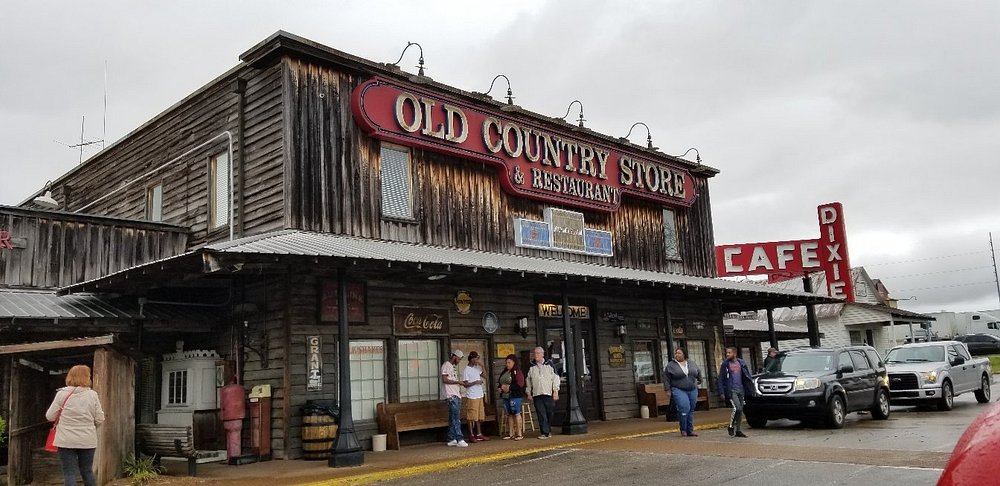
Before you even think about the buffet, it helps to understand what Casey Jones Village actually is.
John Luther “Casey” Jones was one of the most famous railroad engineers in American history. His legendary final ride on the Cannonball Express in 1900 — and the ballad it inspired — made him a folk hero. Jackson, Tennessee is his home.
In 1978, Clark Shaw — second-generation owner of the Old Country Store — partnered with the city to move the Casey Jones Museum and a replica of Engine 382 to the village site. Over the years, the family relocated more than a dozen historic buildings and train cars to the property, turning what was once a roadside store into a full destination.
The result is a village where history isn’t presented like a museum exhibit you walk politely past. It’s alive. Kids climb aboard Engine 382 and ring the bell. Train cars sit on real tracks. Buildings from the 1800s have been preserved and given new purpose.
There’s even a moonshine still in the gift shop — autographed by Popcorn Sutton, the legendary Tennessee moonshiner.
Walking through Casey Jones Village feels like the past decided to stay put and let you visit it on its own terms.
The Buffet That Started It All
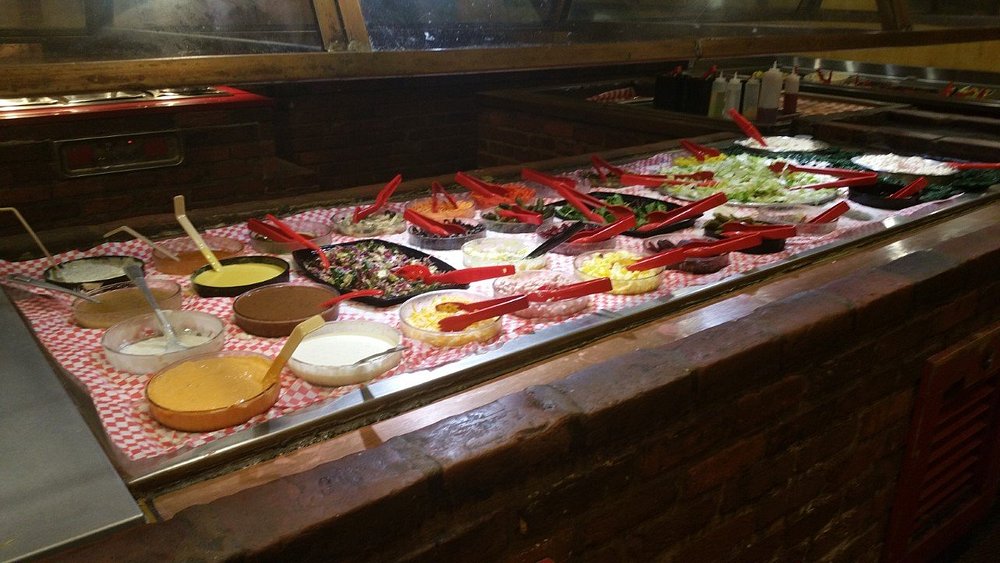
Brooks Shaw opened a lunch counter in 1965. What he probably didn’t envision was that 60 years later, his family would still be serving the same soul food traditions to a dining room full of loyal regulars and first-time visitors who look genuinely stunned by what they’re looking at.
The buffet at Brooks Shaw’s Old Country Store is not modest. Not even a little.
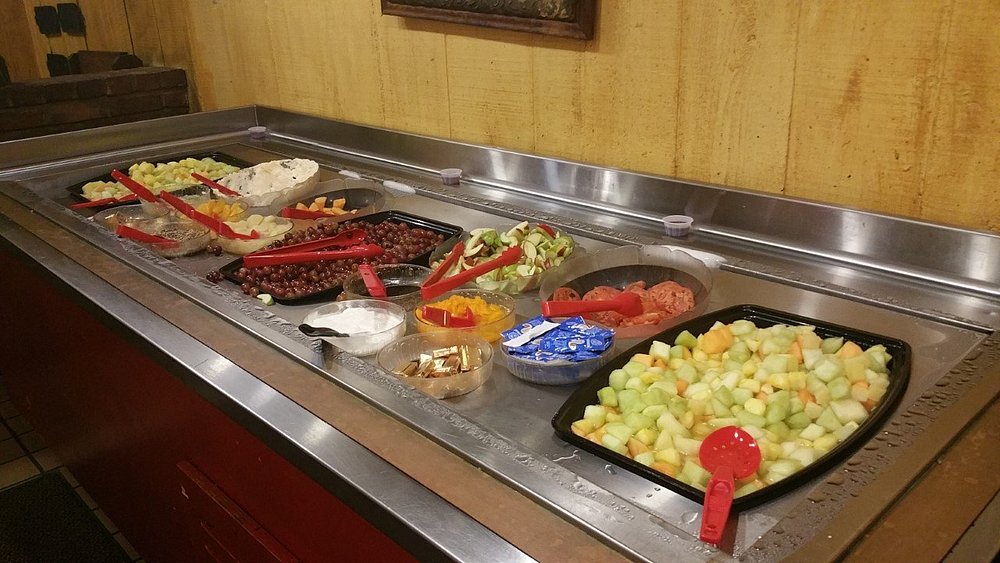
Fourteen to fifteen vegetables daily. Seven to eight meats at lunch and dinner. A salad bar that earns its real estate on the table. Homemade soups. Desserts that need their own paragraph — and they’ll get one.
The spread changes day to day, following the kind of logic that Southern cooks have always trusted: what’s good, what’s fresh, what works together. What doesn’t change is the standard. The fried chicken is hand-battered, never frozen. The catfish is the same. The greens, the beans, the casseroles — these are dishes made by people who have been cooking them for decades.
Several members of the kitchen and wait staff have been with the Old Country Store for more than 20 years. Two of them, Jennie and Dorothy, have each been there for over 40 years. You can taste that kind of institutional knowledge in every single pan.
The Cracklin’ Cornbread Situation
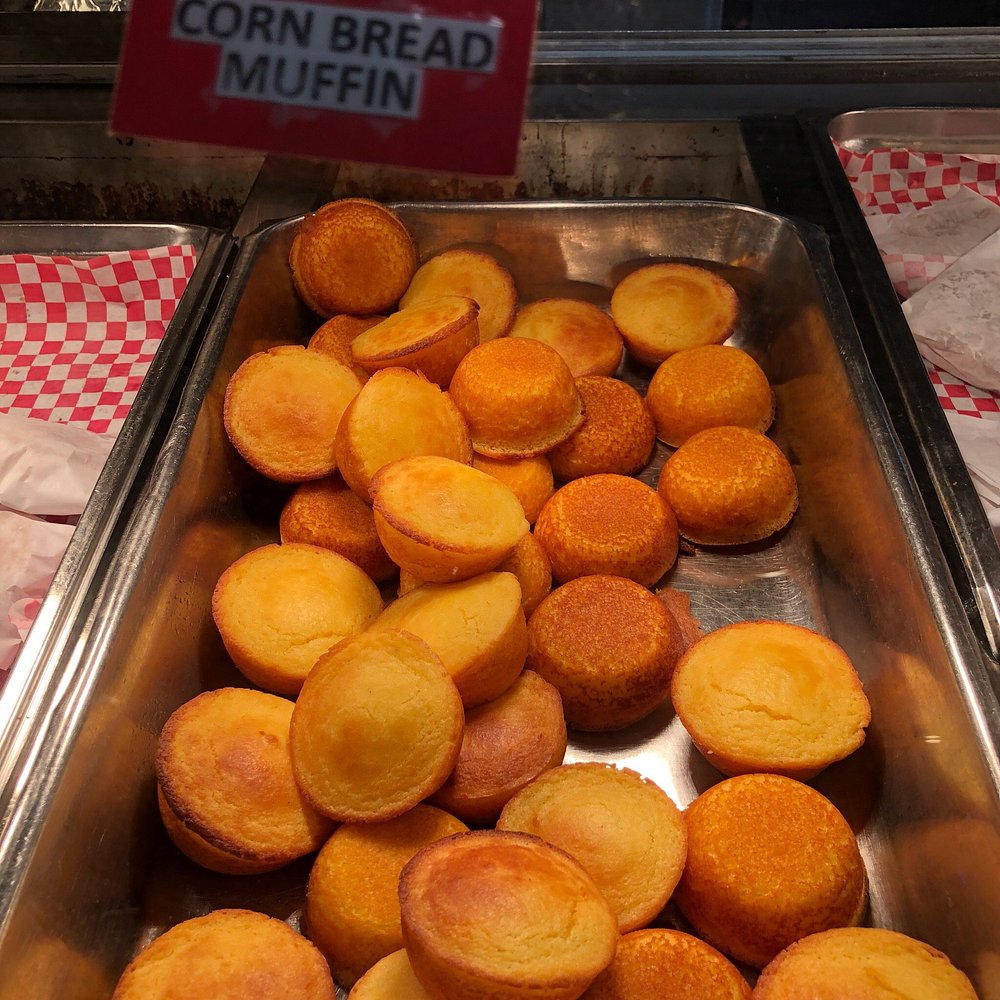
Let me be direct about something: the hot water cornbread at Brooks Shaw’s is not an afterthought. It is an event.
They cook it right there on a griddle in the middle of the buffet. You can watch it happen. The sizzle of batter hitting a hot iron surface is one of those sounds that makes the back of your mind light up with something ancient and warm.
Hot water cornbread is a West Tennessee tradition — dense, slightly crunchy on the outside, tender inside, and crackling with a flavor that reminds you what cornbread is supposed to taste like before anyone started putting sugar in it. The cracklin’ version, which incorporates bits of rendered pork skin, adds a savory, smoky depth that turns a side dish into a reason to visit.
I’ve eaten cornbread from Maine to Texas, and I’m convinced that freshly made cracklin’ cornbread, cooked in front of you and eaten while still warm, is one of the better arguments for road-tripping through the South.
Fried Chicken That Knows What It’s Doing
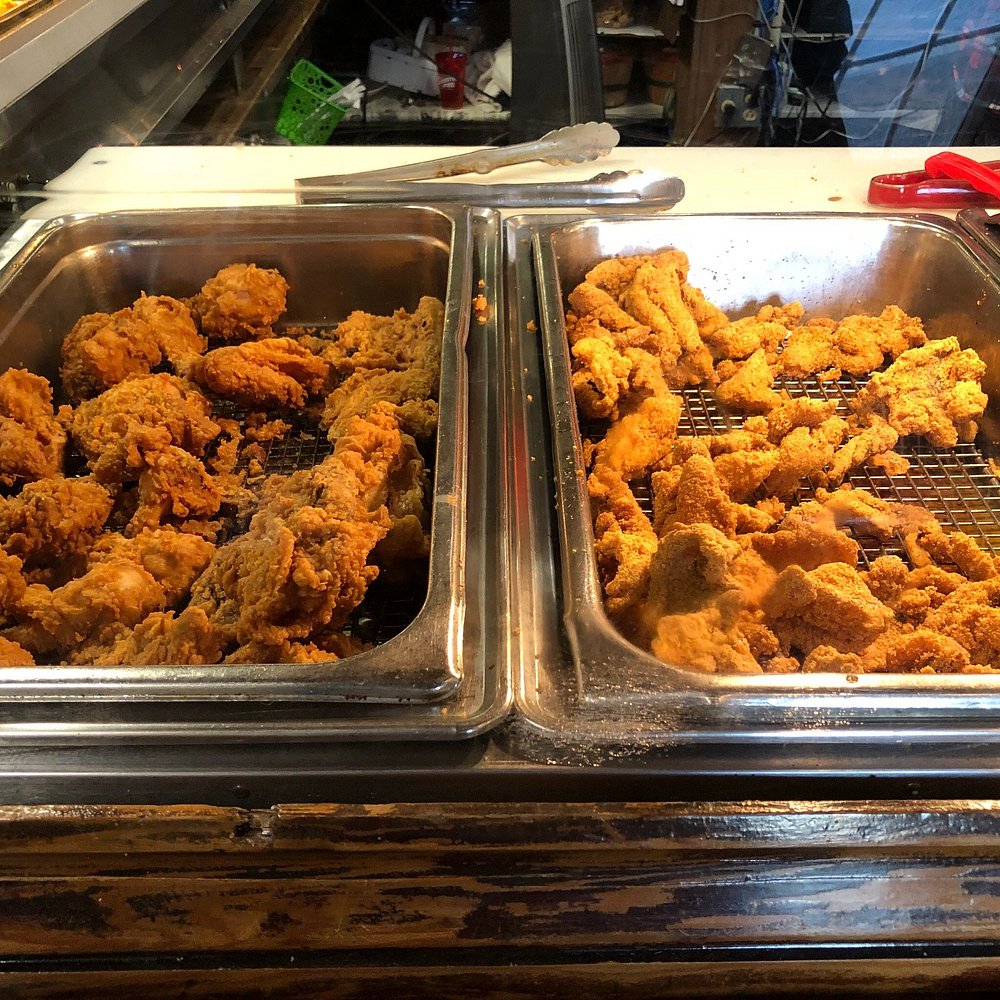
There’s a specific kind of confidence in a piece of fried chicken that doesn’t need to announce itself. No over-seasoned crust trying to distract you. No soggy coating that gave up halfway through the fryer. Just a piece of chicken that has been done right, and knows it.
Reviewers have been calling Brooks Shaw’s fried chicken the best they’ve ever had for decades. That’s not a phrase people use lightly when they’re comparing it to what their grandmother made on Sundays.
The crust here is corrugated and peppered, crackling cleanly on the first bite. The meat inside stays juicy — the kind of juicy that comes from proper preparation, not tricks. Heat is present but not aggressive; this is fried chicken that invites you in rather than dares you to keep going.
Fresh batches arrive in steady waves throughout service. If you’re patient and pay attention to when a new pan comes out, you’ll be rewarded with chicken that’s still releasing steam. That’s the move. Ask any regular.
The Side Dishes That Steal the Show
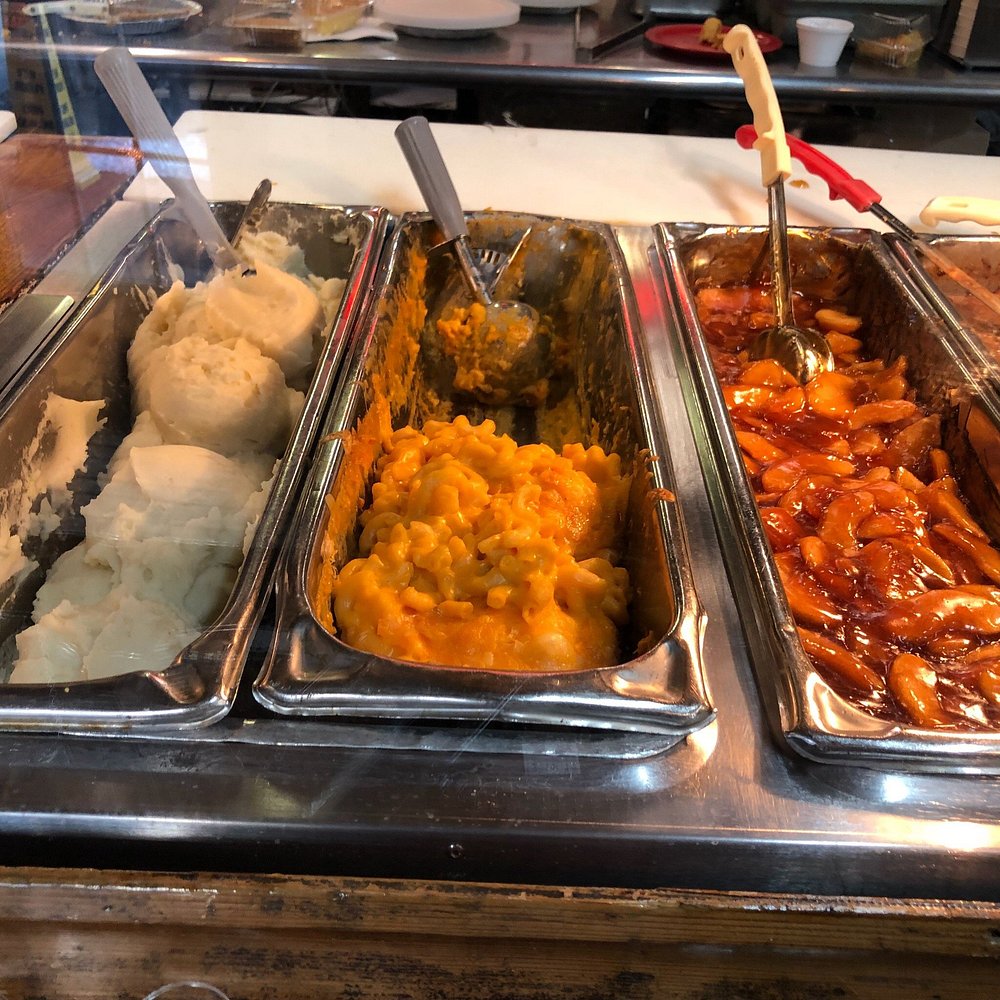
One of the things that separates a truly great Southern buffet from a forgettable one is what happens in the vegetable pans. Almost anyone can fry a piece of chicken. Not everyone can make a pan of turnip greens that tastes like Sunday dinner at someone’s house.
Brooks Shaw’s takes its vegetables seriously.
The turnip greens arrive tender and smoky, carrying that quiet promise of pot likker — the dark, silky cooking liquid that Southerners have been sipping from the bowl for generations. The squash casserole leans creamy and mellow, sweet from onion in the way that only slow-cooked vegetables get. The mac and cheese has a browned cheddar crust that fractures under a spoon and reveals a sauce that tastes unmistakably of real cheese — not the powdered approximation that passes for it elsewhere.
Creamed spinach, stewed tomatoes, white beans, collard greens, green beans — the list keeps going, and the quality stays consistent across the board.
One reviewer summed it up better than I could: building a vegetable-forward plate here reveals just how much care goes into the things that other restaurants treat as afterthoughts.
The Catfish and Other Southern Classics
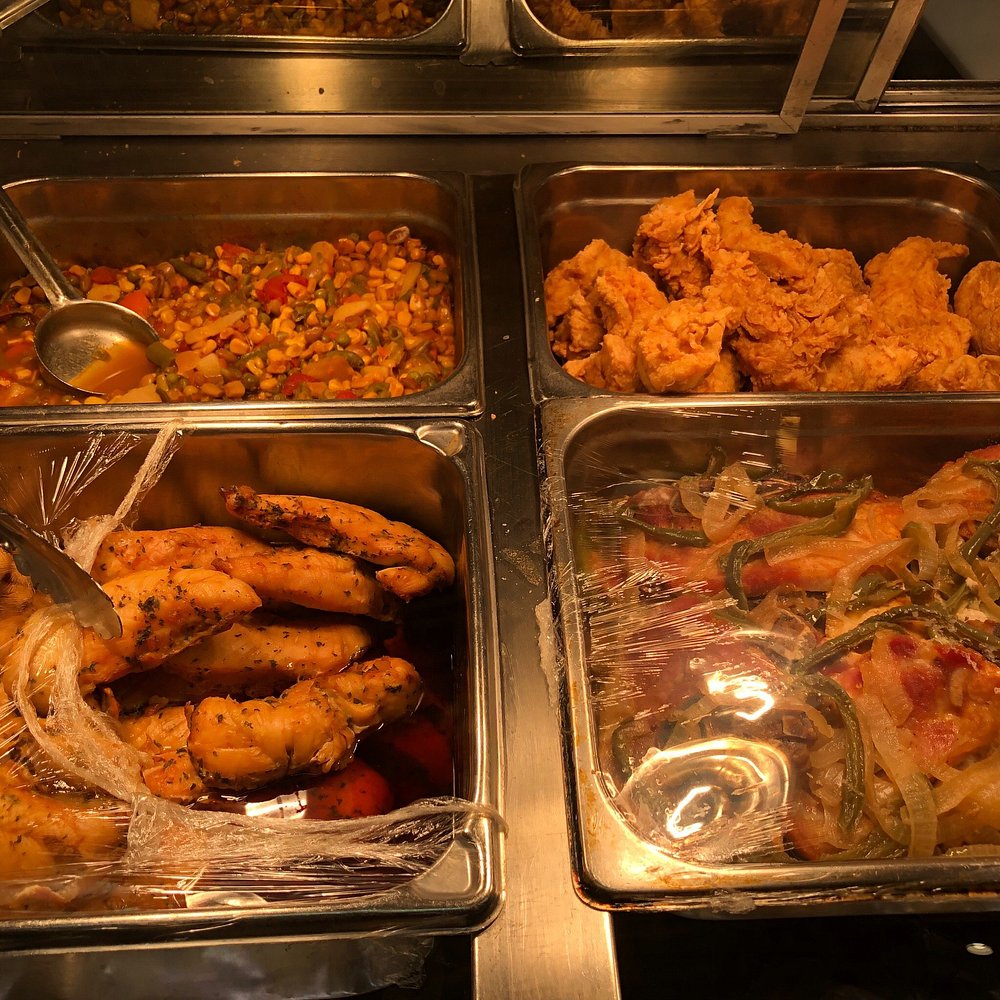
West Tennessee has a long and serious relationship with fried catfish, and Brooks Shaw’s honors that tradition without apology.
The catfish here is hand-battered and fried with cornmeal, producing a crust that’s crispy without being heavy. The fish inside stays flaky and tender — the kind that breaks apart at the touch of a fork and carries the clean, mild flavor of properly sourced catfish, not the muddy undercurrent that comes from inferior fish or careless prep.
Beyond the catfish and chicken, the buffet rotates through pulled pork, ribs, beef liver and onions, meatloaf, and whatever else the kitchen is feeling that day. The key detail: none of it feels like filler. Every pan on that buffet is there because it earned its spot.
The Cobblers and Banana Pudding
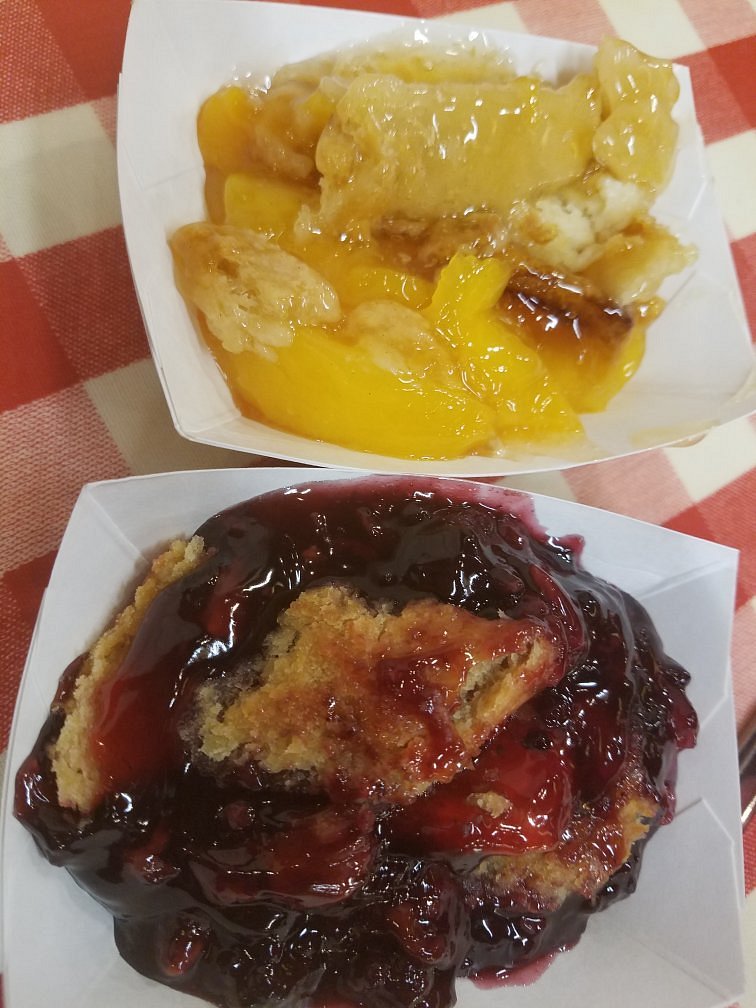
Let’s talk about dessert, because this is not the section to rush past.
Brooks Shaw’s homemade cobblers are legendary enough that multiple reviewers specifically mentioned the peach cobbler before they finished describing anything else. The blackberry and apple versions are equally beloved, each one a warm, bubbling, buttery celebration of whatever fruit is in the pan that day.
The banana pudding is a study in restraint and confidence. Cool, creamy custard. Softened vanilla wafers. Sliced bananas that taste like they were added recently, not hours ago. A meringue cap when it’s on offer, toasted just enough to catch a little color.
This is dessert that doesn’t try to impress you. It just does.
If you want the cobbler at its best — with the filling still warm and the crust still crackling slightly — time your trip to a fresh batch. The experienced visitors know to circle back to the dessert section more than once.
Miss Anne’s Ice Cream Shoppe
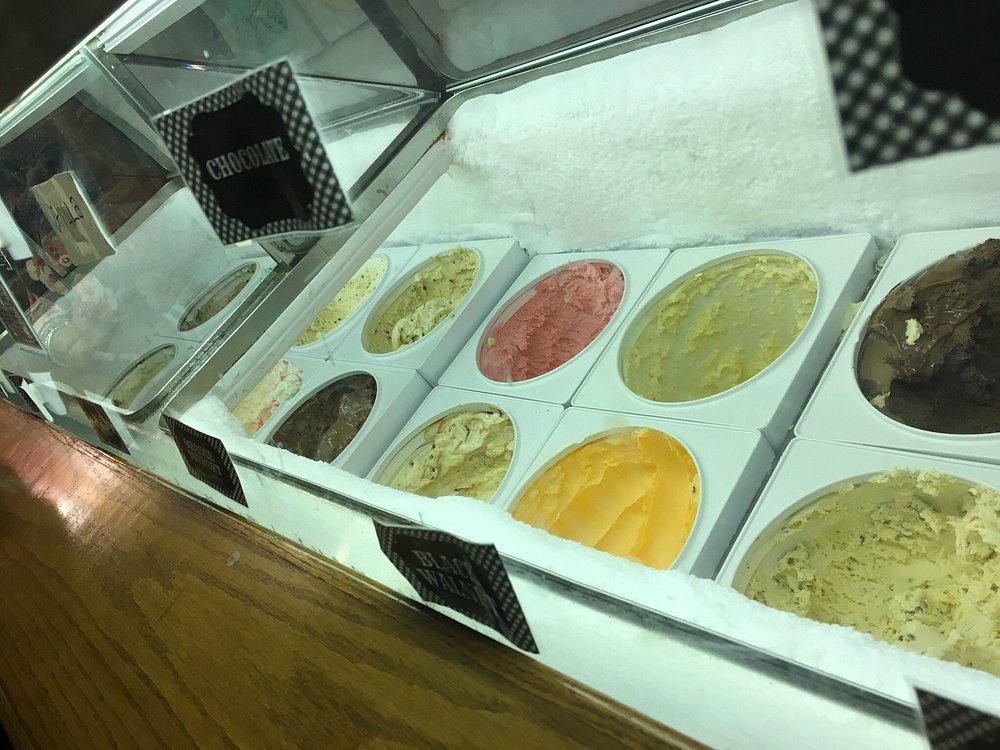
The genius of the buffet layout at Brooks Shaw’s is that it exits directly through Miss Anne’s Ice Cream Shoppe.
This is not accidental. This is architecture designed by someone who understood human nature.
Miss Anne’s is named after Anne Shaw, wife of the founder Brooks Shaw, who took over running the business after her husband passed in 1971. The ice cream shop is built around an antique 1880s soda fountain — one of only three of its kind still in existence. It’s a crown jewel displayed exactly as it deserves to be.
Blue Bell ice cream gets scooped into homemade waffle cones while you browse old-fashioned candy — the kind that makes adults slow down and start narrating their own childhood aloud to whoever is standing next to them. Nostalgic toys fill the shelves nearby.
The ice cream parlor functions as a decompression chamber between the buffet and the outside world, giving you something sweet and slow to ease the transition. Chrome stools, glass domes, the quiet hum of a vintage counter — it feels like stepping sideways into a gentler decade.
A single scoop after a full plate isn’t indulgence. It’s tradition.
The Gift Shop and the Story Behind It
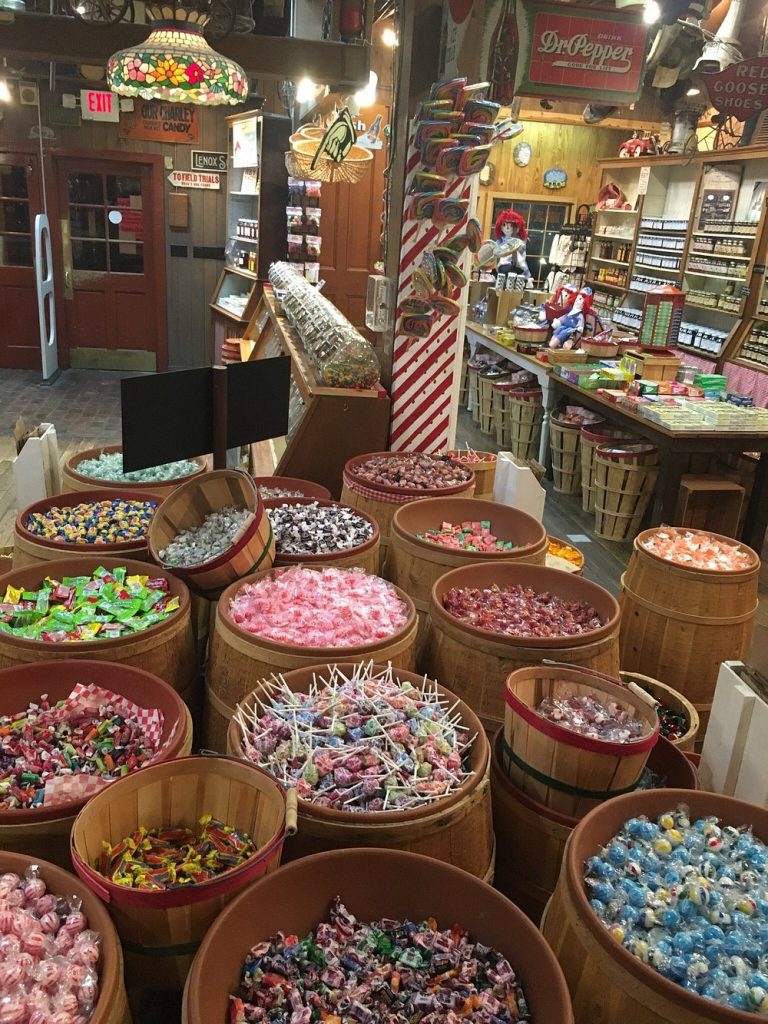
The 3,000-square-foot gift shop at Brooks Shaw’s is a labor of love overseen by Juanita Shaw, second-generation owner and CEO. She has curated it with the same devotion the kitchen gives to its food.
You’ll find Tennessee-made jams and jellies, locally sourced products, jewelry, branded memorabilia, and enough T-shirts that you’ll be able to souvenir-shop your entire list in one stop. There’s also the kind of candy and novelty section that causes visitors to stop mid-stride and start telling childhood stories.
The walls are decorated with antiques and collectibles, including that moonshine still signed by Popcorn Sutton — a reminder that Tennessee’s rich, irreverent, deeply human history has a sense of humor about itself.
The murals on the walls depict the Old Country Store across its long history. Walking through the gift shop is a little like flipping through a family photo album, except the family is a Jackson institution and the photos are large-format art.
The Casey Jones Museum Next Door
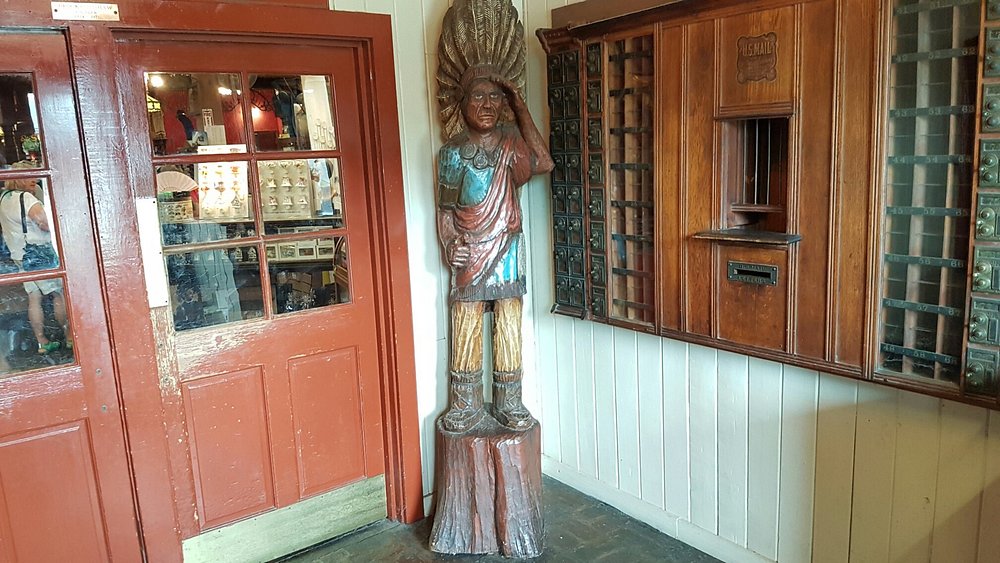
You don’t have to be a railroad enthusiast to find the Casey Jones Museum deeply satisfying. But if you are one, you’ll probably need to be reminded that other people are waiting to ring the bell on Engine 382.
The museum tells the full story of Casey Jones — his life, his final heroic ride on April 30, 1900, and the ballad written about him afterward that made his name immortal. It’s the kind of story that the South tells better than anywhere else: a man doing his job with extraordinary courage, and the legend that grew around that one moment.
Beyond the museum, Casey Jones Village has grown into a genuine destination. There’s an art gallery, Airbnb accommodations in historic buildings, a pre-Civil War event venue called Providence House, a 100-year-old chapel, a farm, and a mini golf course. Tesla charging stations sit in the parking lot — a small reminder that the 21st century is aware of this place too.
The Casey Jones Museum is not a dusty obligation to fulfill while you wait for your food to settle. It’s a genuinely interesting piece of Tennessee, and it’s right there.
What Sixty Years of Serving Looks Like
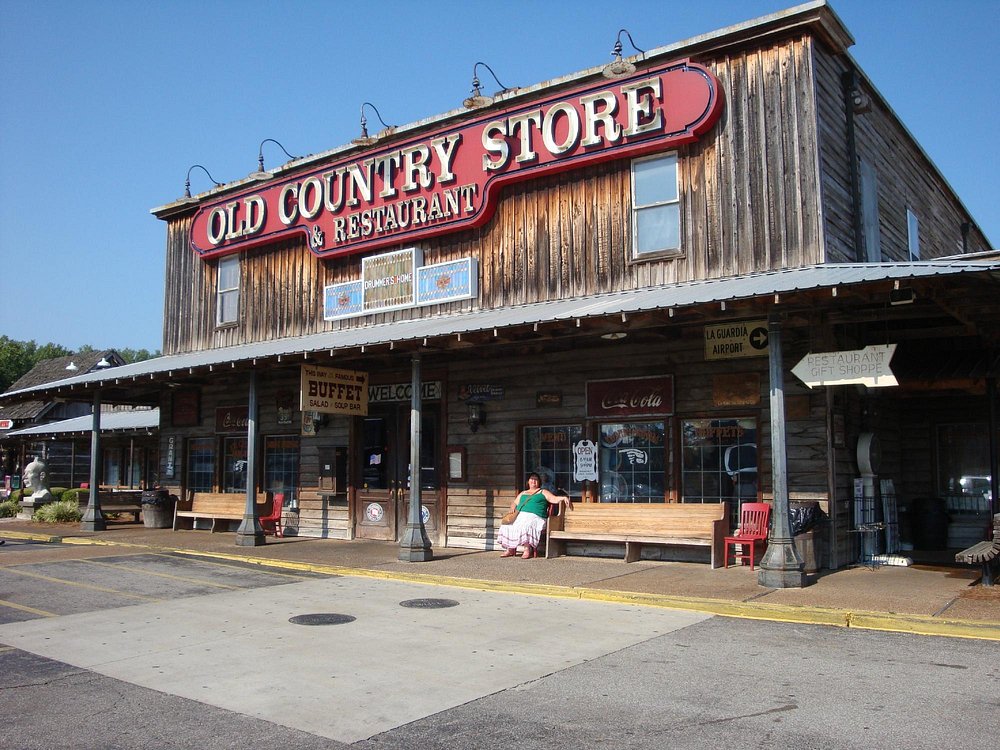
Brooks Shaw’s Old Country Store has been a family business for three generations, and you can feel that continuity in the way the place runs.
The current Brooks Shaw — grandson of the founder and namesake — describes the store as a “purveyor of memories and experiences.” That’s a precise way to say it. The regulars who have been coming since the 1970s bring their grandchildren now. Travelers who stopped in on a road trip 20 years ago tell their children about it and route their vacations through Jackson to do it again.
A restaurant earns that kind of loyalty through consistency. Not novelty. Not reinvention. The same original recipes. The same standard of cooking. The same warmth in the dining room.
One reviewer from Michigan, driving back home after a trip, declared it the best breakfast she’d had in many years and announced she’d stop there every time she passed through. Another, from Ohio, called it a family tradition spanning generations. A visitor from England described it as “Americana heaven” and said he didn’t care that some people called it a tourist trap — everyone was having a lovely time.
When the cynics are disarmed, that’s a reliable sign that something real is happening.
The Dixie Café: Same Food, Different Format
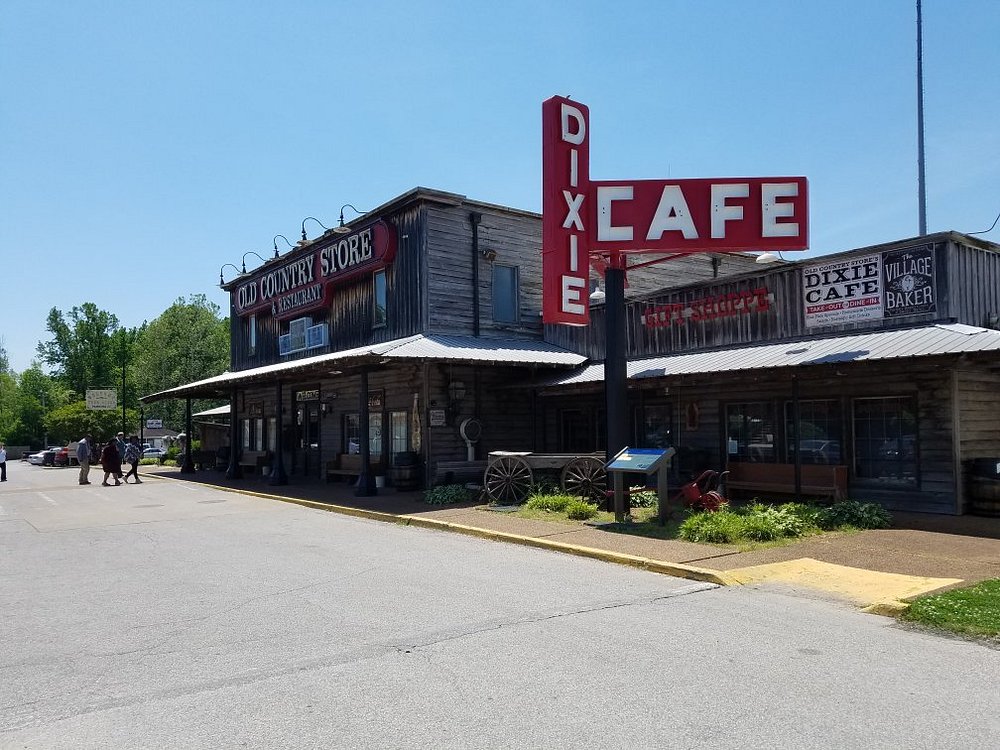
For visitors who want the flavors without the buffet format, the newly renovated Dixie Café serves plate lunches and offers dine-in or drive-through service. It carries the same Southern soul food DNA as the main restaurant — just plated individually rather than spread across a buffet line.
The Dixie Café breakfast runs Monday through Saturday from 6:30 to 10:00 a.m. Items like burgers, fried green tomatoes, chicken sandwiches, and hot dogs round out a menu that gives the café its own character.
The drive-through is a newer addition, which means you can carry a piece of Brooks Shaw’s cooking with you down the highway when time is short. That said, if you can linger, lingering is the better choice. This is a place meant to be experienced at full speed, not glimpsed from a car window.
Where to Find It
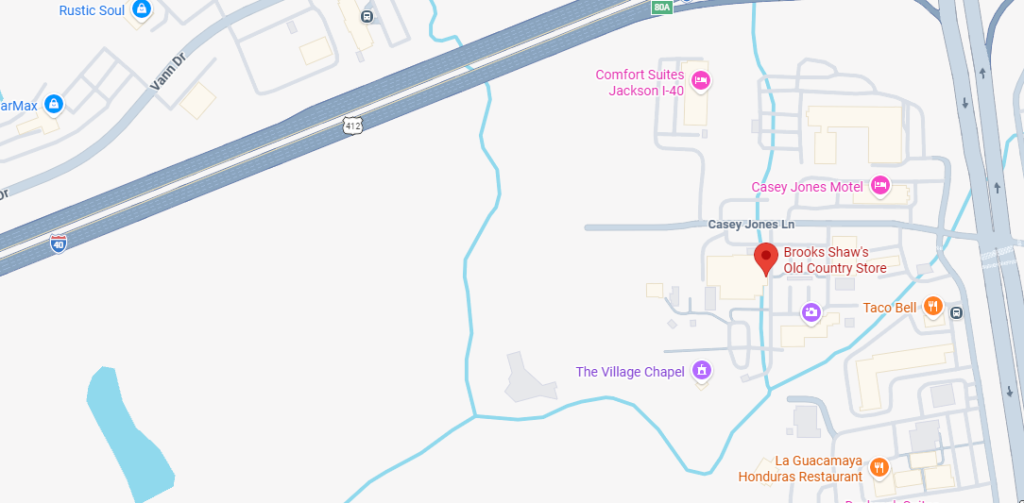
Brooks Shaw’s Old Country Store is located in Jackson, Tennessee — nearly halfway between Memphis and Nashville, off Interstate 40 at Exit 80A. From the exit, take the Hwy 45 Bypass and turn right at the first light onto Casey Jones Lane. You’ll find it at 56 Casey Jones Lane.
Jackson sits in the heart of West Tennessee, which makes it an ideal anchor for a road trip through the region. Memphis is about 85 miles to the west. Nashville is roughly 130 miles to the east. If you’re driving between the two, there is genuinely no better reason to stop.
The dining room is open for the buffet daily, with the breakfast buffet offered on Friday, Saturday, and Sunday. The Casey Jones Museum is nearby and worth the time.
Come hungry. Come curious. And if someone asks what brought you to Jackson, Tennessee — well, now you know what to say.
More stories
This Historic Arkansas Restaurant Is a James Beard-Winning Soul Food Legend
This Charming Arkansas Café Is a Backroads Gem Worth Every Mile of the Drive
This Humble Oklahoma City Tortilleria Is the Best Kept Secret in the Sooner State
This Legendary Oregon Gelato Shop Is Worth Planning Your Whole Road Trip Around
Share this story